When you come to Jakarta, you will quickly notice that people speak Bahasa Indonesia in a very unique and modern way. Beyond formal Indonesian or traditional Betawi dialects, daily conversations are filled with slang, abbreviations, and playful word twists. Understanding Local Phrases Travelers Should Learn in Jakarta will help you blend in, avoid confusion, and communicate more comfortably.
These expressions are commonly used by locals across cafés, offices, schools, and social media, making them essential for any traveler who wants an authentic Jakarta experience.
Let’s find out below!
1. PeWe and Mager – Comfortable but Too Lazy
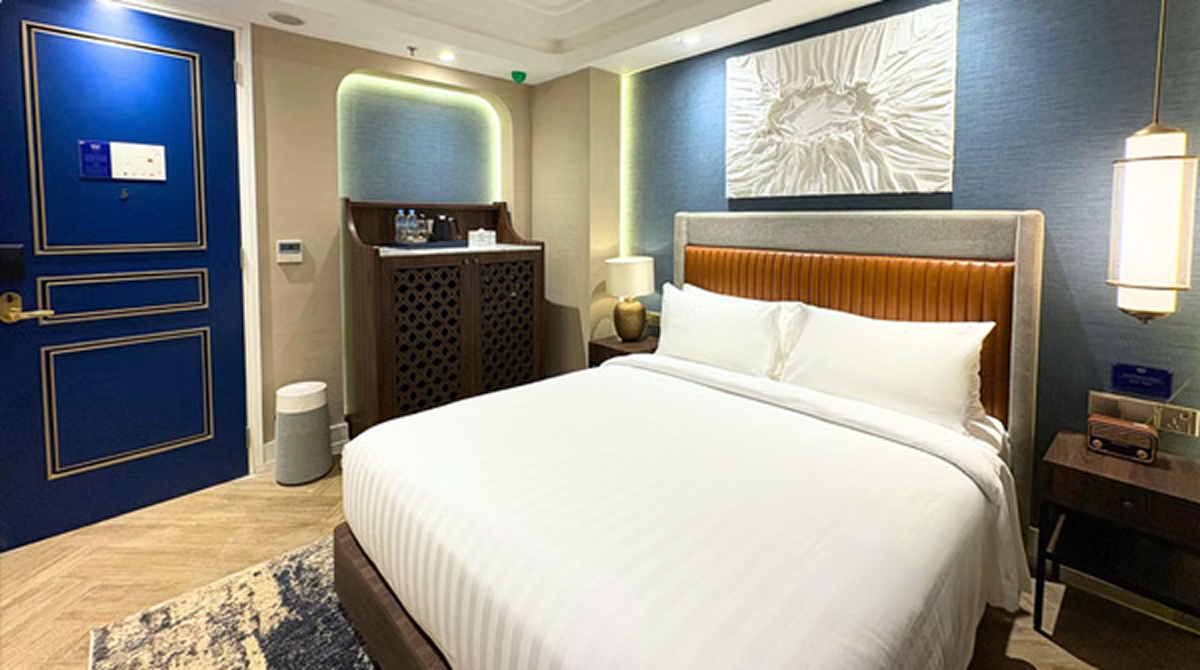
One of the most commonly heard expressions among locals is PeWe, which comes from posisi wuenak. It describes a comfortable or cozy situation, whether it is a café, office, hotel room, or even a seat on public transport.
If a local says, “Tempatnya PeWe banget,” it means the place feels very comfortable.
However, feeling too PeWe often leads to another popular phrase: Mager (males gerak). Mager means being too lazy to move or do anything.
This phrase perfectly represents relaxed Jakarta humor and is one of the essential Local Phrases Travelers Should Learn In Jakarta.
2. Yuk, Kuy, and Cabs – Let’s Go!
“Yuk,” “Kuy,” and “Cabs” are extremely common in casual conversations. Yuk is derived from ayo, meaning “let’s go.” Kuy is simply “yuk” spelled backward for fun, while Cabs comes from cabut, meaning to leave.
Travelers might hear phrases like “Ngopi, kuy!” or “Yuk, cabs sekarang!”
Using these expressions makes invitations sound friendly and informal. They are among the most practical Local Phrases Travelers Should Learn in Jakarta for social situations.
3. Gabut – Feeling Bored
Originally derived from gaji buta, Gabut no longer strictly refers to work-related situations. Today, it is widely used to describe boredom or having nothing to do.
You might hear someone say, “Lagi gabut nih,” especially during slow afternoons.
For travelers spending time in cafés or co-working spaces, understanding this term helps you follow casual conversations. That is why it remains an important part of Local Phrases Travelers Should Learn in Jakarta.
4. Sans, Santuy, and Woles – Relax and Take It Easy
Jakarta’s hectic lifestyle has inspired many slang words that encourage people to relax. Sans and Santuy come from santai, while woles is a reversed version of the English word “slow.”
These phrases are often used to calm situations down, such as “Sans aja, bro.”
Knowing these words helps travelers understand local humor and social cues, reinforcing their value among Local Phrases Travelers Should Learn in Jakarta.
5. Baper – Too Emotional
Baper stands for bawa perasaan, meaning taking something too personally. If someone reacts emotionally or overthinks a situation, locals may say, “Jangan baper.”
This word is frequently used in daily interactions, social media, and jokes. Recognizing it helps travelers understand emotional context in conversations, making it one of the most relevant Local Phrases Travelers Should Learn in Jakarta.
6. Sabi – Cool or Can Do
Jakarta slang often involves flipping words, and Sabi is a great example. It comes from reversing bisa, which means “can” or “able.” Sabi can mean “yes,” “okay,” or “cool,” depending on context.
When someone suggests a plan, they reply with “Sabi!” sounds natural and friendly.
This flexibility makes it a favorite expression and a key example of Local Phrases Travelers Should Learn In Jakarta.
7. Prokem and Reversed Slang Words
Jakarta slang is deeply influenced by Bahasa Prokem, a street language that emerged in the 1980s. Popular examples include bokap (father), nyokap (mother), and gokil (crazy/fun).
Reversed words like kuy (yuk) and kane (enak) are also widely used today.
Travelers do not need to master all of them, but recognizing these patterns makes conversations easier. This creativity is a defining feature of Local Phrases Travelers Should Learn in Jakarta.
8. Small Suffixes: -Deh, -Dong, and -Sih
Jakartans frequently add suffixes to express tone. -Deh emphasizes suggestions, -Dong highlights something obvious, and -Sih shows reflection or agreement.
For example: “Coba ini, deh” or “Iya juga, sih.” These suffixes may seem small, but they play a big role in sounding natural. Understanding them completes your knowledge of Local Phrases Travelers Should Learn in Jakarta.
You do not need to speak perfectly, just understanding a few key phrases can improve communication and create meaningful interactions. By listening, practicing, and embracing local expressions, travelers can enjoy a more authentic and memorable Jakarta experience.
Also Read: What Did the Reviews Say in General About Dufan Jakarta
Understanding Local Phrases Travelers Should Learn in Jakarta becomes even more enjoyable when you stay in the right place. Ashley NewAir Menteng offers a comfortable and welcoming environment where travelers can relax, practice local slang, and interact naturally with fellow guests and staff.
With its cozy atmosphere, clean air circulation, and strategic location, Ashley NewAir Menteng is perfect for experiencing daily Jakarta life. Whether you feel PeWe after exploring the city or just want to sans and unwind, our new property helps you blend in effortlessly while enjoying a safe and memorable stay in Jakarta.