
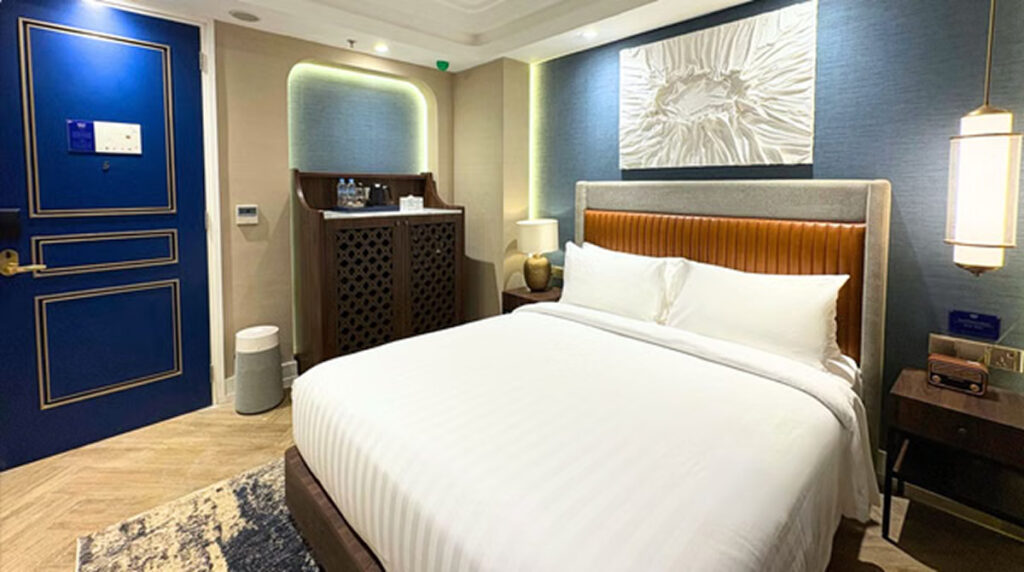
Air quality plays a vital role in determining comfort, health, and overall well-being, especially in indoor environments where people spend most of their time. Poor air circulation, dust, allergens, and invisible pollutants can silently affect the body over time. This is why rooms with hygiene controlled air are becoming increasingly important in modern living spaces.
By combining proper ventilation systems and advanced air purifiers, these rooms offer cleaner, healthier, and more comfortable indoor environments for daily activities.
1. Effective Control of Indoor and Outdoor Pollutants
One of the main benefits of rooms with hygiene controlled air is their ability to manage both indoor and outdoor pollutants. Indoor contaminants often come from cleaning chemicals, construction materials, gas stoves, and household appliances. Without proper air control, these substances accumulate and degrade air quality.
Meanwhile, outdoor pollutants such as dust, vehicle emissions, and industrial particles can enter living spaces through doors, windows, or ventilation systems. Controlled air systems help regulate this exchange, ensuring that harmful particles are filtered before circulating indoors.
As a result, rooms with hygiene controlled air provide a safer breathing environment, especially for people living in urban or industrial areas.
2. Improved Filtration of Dust, Allergens, and Irritants
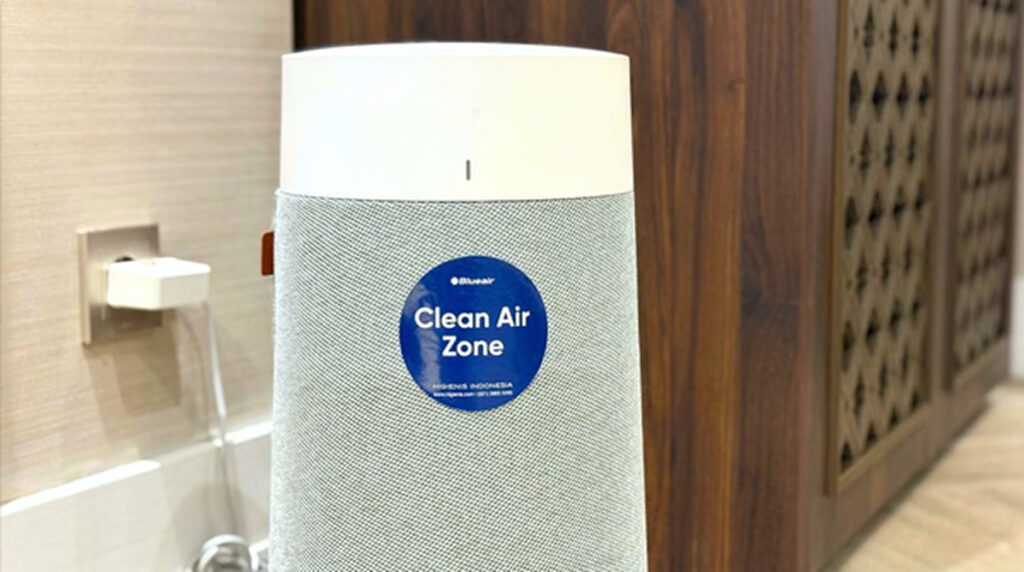
Dust, pollen, pet dander, and microscopic irritants are common triggers for allergies and respiratory issues. In rooms with hygiene controlled air, air purifiers equipped with HEPA filters effectively trap particles as small as 0.3 microns.
This filtration process significantly reduces airborne allergens, helping occupants breathe more comfortably.
People with asthma, allergic rhinitis, or sensitive respiratory systems often experience fewer symptoms in rooms with hygiene controlled air. Cleaner air also means less dust settling on furniture, contributing to a cleaner and more pleasant living space overall.
3. Reduced Humidity and Mold Growth
Excessive indoor humidity creates an ideal environment for mold and mildew growth, which can be dangerous to health. Mold spores can trigger allergies, asthma attacks, and other respiratory problems, particularly in children and elderly individuals.
Rooms with hygiene controlled air help regulate humidity levels through proper ventilation and air circulation. By maintaining balanced moisture in the air, these rooms prevent dampness and inhibit mold development.
In addition to health benefits, controlled humidity also protects building structures, furniture, and electronics from long-term damage caused by moisture.
4. Removal of Smoke, Odors, and Harmful Gases
Indoor smoke can originate from cigarettes, cooking, incense, or even vehicle exhaust that enters enclosed spaces. Smoke particles often cling to surfaces, forming residues that compromise air quality and comfort.
Rooms with hygiene controlled air typically use activated carbon filters that absorb smoke particles, odors, and gaseous pollutants such as volatile organic compounds (VOCs).
These gases are commonly released from cosmetics, paints, cleaning products, and air fresheners. By removing harmful gases, rooms with hygiene controlled air create fresher environments and reduce long-term exposure to toxic substances.
Also Read: 7 Best Spot for Sunset Spots In Jakarta
5. Enhanced Comfort, Energy Efficiency, and Overall Health
Beyond health protection, rooms with hygiene controlled air also improve overall comfort. Clean air promotes relaxation, better sleep quality, and improved concentration. A well-ventilated room feels cooler and fresher, reducing reliance on air conditioners or fans.
This natural balance helps conserve energy while maintaining indoor comfort. Over time, improved air quality contributes to fewer respiratory illnesses, reduced allergy flare-ups, and better overall well-being.
For families, remote workers, or hospitality spaces, rooms with hygiene controlled air offer a healthier environment that supports both physical and mental wellness.
Why Air Purifiers Are Essential in Controlled Air Rooms
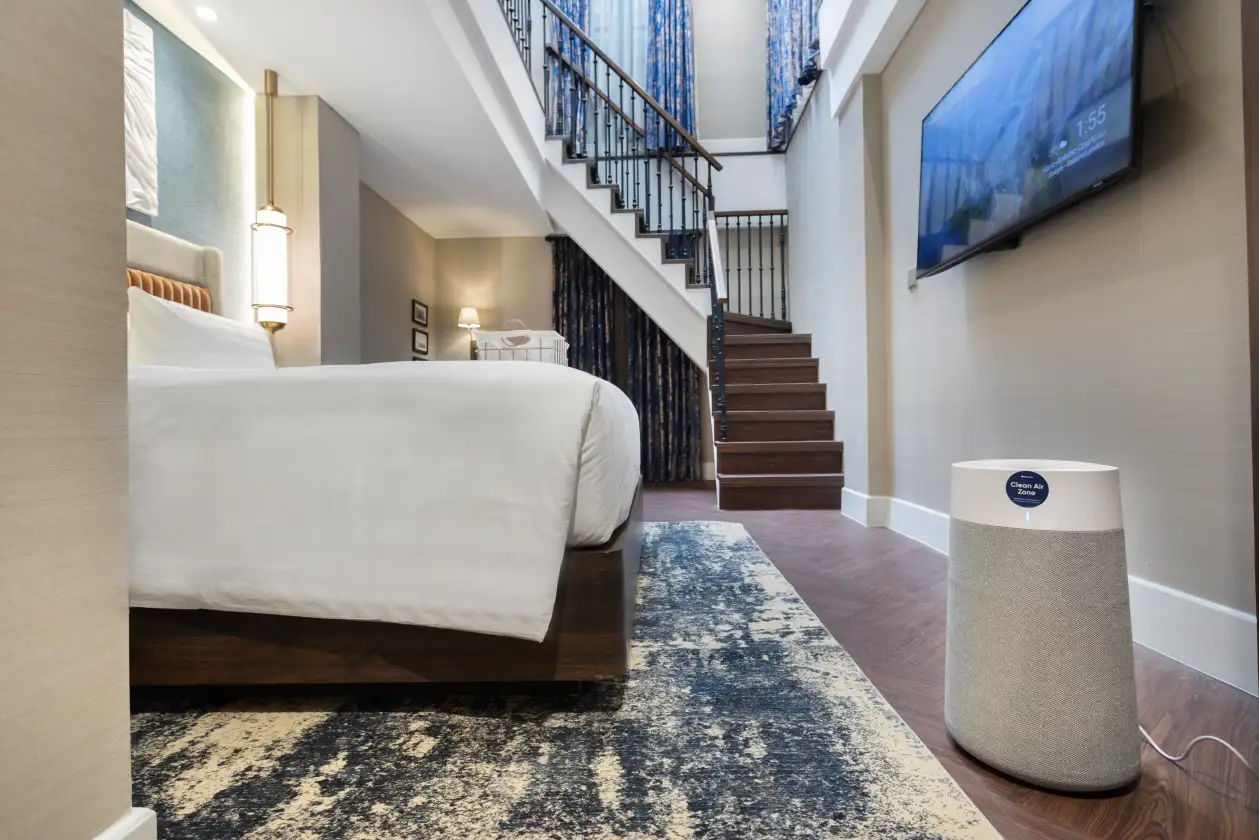
Air purifiers are key components in creating rooms with hygiene controlled air. These devices work by pulling in polluted air, filtering contaminants through advanced technology such as HEPA and activated carbon filters, and releasing clean air back into the room.
By continuously circulating and purifying indoor air, air purifiers help maintain consistent cleanliness levels. When combined with effective ventilation systems, they ensure that rooms with hygiene controlled air remain fresh, safe, and comfortable throughout the day.
Tips for Choosing the Right Air Purifier
To maximize the benefits of rooms with hygiene controlled air, choosing the right air purifier is essential.
Consider room size and check the Clean Air Delivery Rate (CADR) to ensure optimal performance.
- Choose air purifiers with certified HEPA filters for effective particle removal and activated carbon filters for gas and odor control.
- Pay attention to energy efficiency and noise levels, especially for bedrooms or workspaces.
- Select certified products from reputable organizations to ensure reliability and long-term performance.
Rooms with hygiene controlled air offer far more than just comfort, they provide a healthier, cleaner, and safer indoor environment. By controlling pollutants, filtering allergens, managing humidity, and removing harmful gases, these rooms significantly improve daily living quality.
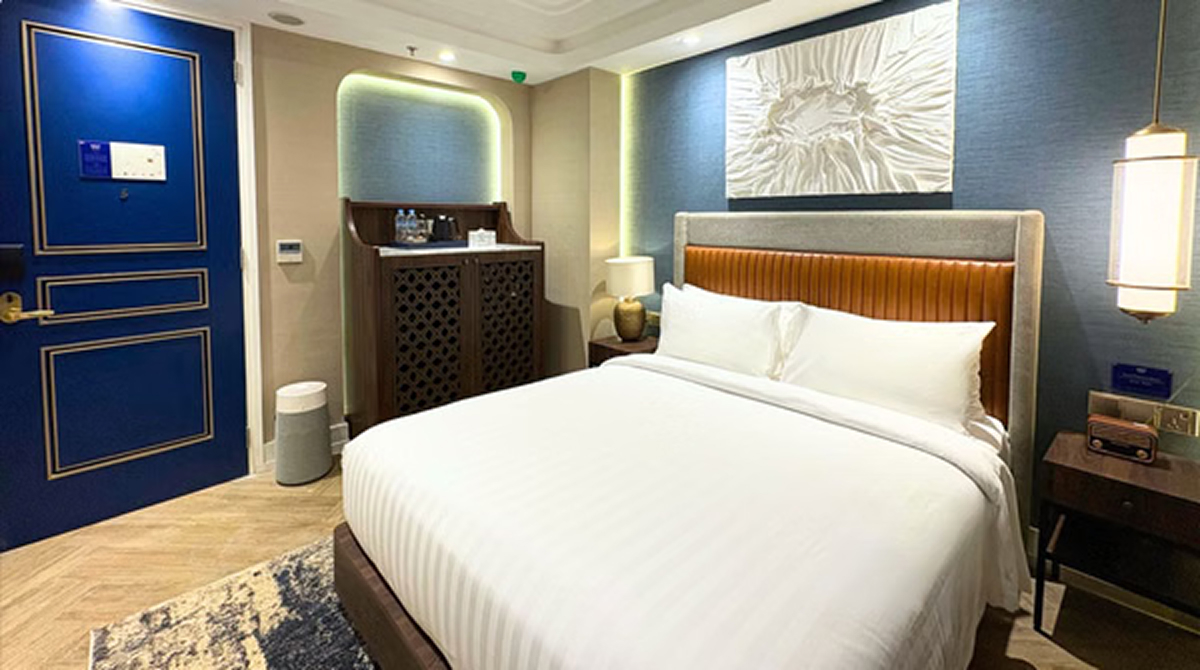
Good news, our new property – Ashley NewAir Menteng offers a refreshing stay experience by embracing the concept of rooms with hygiene controlled air, where cleanliness and productivity come first for you.
Here, each guestroom is equipped with a modern air purifier that helps maintain clean, fresh, and healthy indoor air. With well-controlled air quality, guests can sleep better, work more efficiently, and feel comfortable throughout your stay.