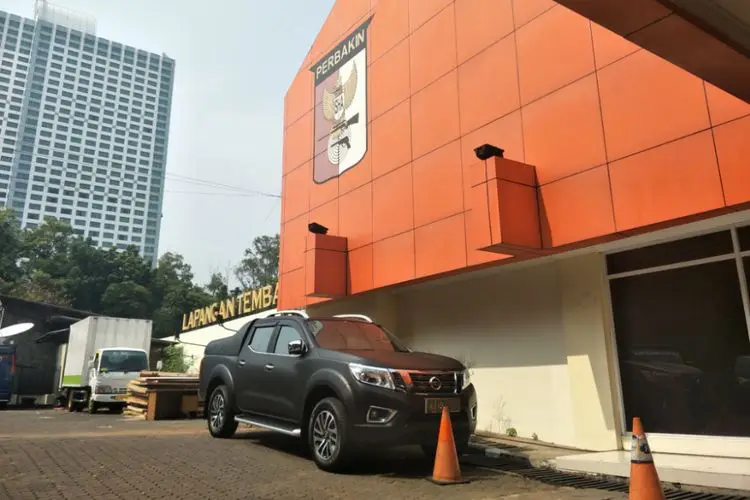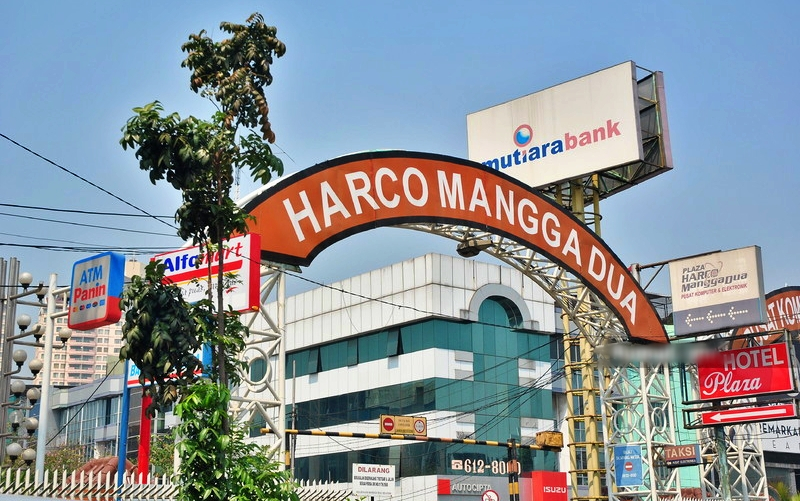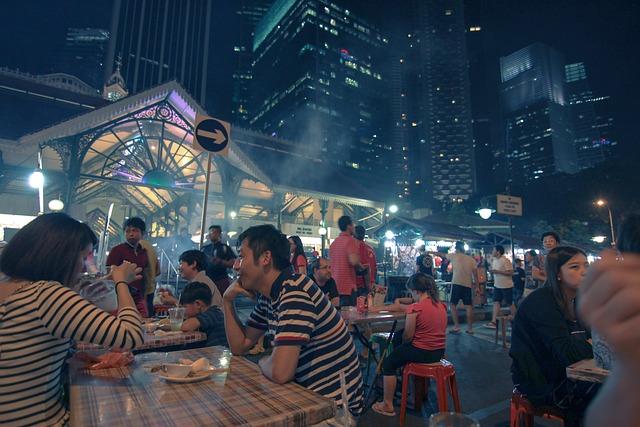

Traffic hums nonstop, the streets feel busy even when you are still finding your bearings, and everything from food stalls to skyscraper lobbies seems to be in full swing.
Still, this is exactly why Jakarta can work so well as a nomad base. The city is Indonesia’s business hub, and that shows in the everyday infrastructure: plenty of coworking spaces, meeting-friendly cafés, and a large expat presence that makes it easier to feel “plugged in” rather than starting from zero.
Just don’t ignore the trade-offs. Getting work done can be disrupted by heavy congestion, and connectivity can be inconsistent in some places, even when free Wi-Fi is available. The upside is that once you plan around those two realities, your routine becomes much steadier.
In the sections ahead, you’ll see how to work reliably, where to live, how to get around efficiently, and which mistakes to avoid, so Jakarta feels less like a shock and more like a system.
I can’t protect my work hours if every trip to my laptop turns into a commute test, and Jakarta definitely feels like that at first.
Jakarta’s appeal for digital nomads starts right there: it is a business hub, so the city is built around people working, meeting, and staying productive. That means you’ll find coworking spaces, expat-heavy neighborhoods, and plenty of cafés where remote work is normal. Add a big food scene and an active nightlife, and you get a city that supports the full loop of work, downtime, and social life without you constantly hunting for “infrastructure.”
Here’s a simple example. If you are the type who needs a reliable place to focus for a few hours, a coworking space becomes your anchor. The cause-and-effect is direct: more consistent Wi-Fi and work-friendly facilities let you schedule deep work blocks, which makes your day feel structured instead of improvised.
Another scenario is when you want an easy change of pace without losing momentum. Jakarta’s cafés and street-food culture make it possible to “work, then recharge” in the same area. When that is paired with an expat presence, networking and community-building become easier too, because you’re more likely to run into other travelers who understand your routine.
Why traffic makes location your #1 decision
Jakarta’s traffic is one of the biggest forces shaping your daily schedule. A commute that looks short on a map can turn into a long, energy-draining block of time, especially during busy hours. That matters because remote work is sensitive to time, and even small delays can break your flow.
The practical strategy is to live close to where you actually work and spend time. Base yourself near coworking spaces, your preferred cafés, and transit routes, so you cut “travel tax” from the start. With that kind of location planning, Jakarta stops feeling chaotic and starts feeling like a system you can navigate.
Once your base is chosen, the next challenge is staying online reliably for real work, even when internet quality varies block to block. That’s where the next section picks up.
Most people assume “free Wi-Fi” means Zoom-safe Wi-Fi, but Jakarta can be unpredictable in the places you’d expect to be easy.
Coworking vs. cafés: when to choose each
Coworking is built for work reliability. When your download speed averages around 14 Mbps and some cafés can be choppy, coworking spaces help because they’re set up for steady sessions, often with meeting rooms and practical extras like printing and more reliable setups.
Cafés can still work, but treat them like a backup plan, not your only plan. If you’re in the middle of a call and the connection drops, you’ll feel it immediately, especially compared to the calmer setup you get in coworking.
A few nomad-friendly work spots to start
CoHive is a strong starting point if you want fewer “will it work today?” surprises. It has multiple offices across Jakarta, with ultra-high-speed Wi-Fi and amenities that support daily productivity, including options like daily passes mentioned in the report.
JustCo is another solid choice, especially for schedules that don’t fit a standard 9-to-5. It offers 24/7 access across multiple towers, which is helpful when you need late work time or an off-hours meeting buffer.
Estubizi works well if you like a more structured “community plus work” approach. The report highlights networking focus and an option for an hourly plan, which is useful when you’re testing neighborhoods or not sure how long you’ll stay productive.
If you want cafés in the mix, start with Kroma for a nomad-friendly vibe and Workroom Coffee when you need later hours. Starbucks can also be convenient, but expect that Wi-Fi can still get choppy, and some locations can be noisier than others.
Choose coworking for your core work blocks, then keep a café option nearby for lighter tasks. Once your work routine is stable, the next step is picking a base that keeps your commute from eating your day.
In Jakarta, your neighborhood choice decides how your day feels. The city is huge, traffic is intense, and where you live becomes your daily “work setup” even before you open your laptop.
For areas, many nomads stick to the “Golden Triangle” framing around South to Central Jakarta, including neighborhoods like Menteng, Kemang, Senayan, Glodok, and Pantai Indah Kapuk. Each has its own vibe, but the shared logic is proximity to your work and less time trapped in commuting.
Once your base is chosen, the next puzzle is simple but crucial: moving around Jakarta efficiently so your schedule stays intact.
Also Read: How To Ride Commuter Line in Jakarta
Jakarta traffic can turn “quick trips” into hours, so you need a plan before you commit to a neighborhood. This checklist is how to get around without wasting your workday.
Build a transport strategy around your base
Use Grab and Gojek as your default toolkit for day-to-day movement. They are the easiest way to cover routes reliably when traffic shifts fast.
When the roads get gridlocked, pick ojek or motorbike taxis for speed. They can cut travel time dramatically compared to cars stuck in slow lanes.
Rely on the MRT as a clean, efficient backbone that connects key hubs like Blok M, SCBD, and Bundaran HI. If you live near stations, commuting feels less unpredictable.
Use TransJakarta when you want dedicated lanes that bypass some of the worst congestion. It also helps you avoid being trapped in general traffic. For longer commutes, consider Commuterline, and for airport travel use the airport train.
Skip renting a personal scooter. Jakarta traffic is complex, and that adds risk on top of stress.
In daily practice, map your commute to your base first, then plan last-mile options from there. Keep a contingency route in mind for off-route meetings so one delay does not wreck your whole schedule.
Transport is what protects your hours. Next, you’ll want to protect your plan from the common mistakes that derail nomad life.
Why does Jakarta planning feel harder than it should, right after you arrive?
Jakarta is Bali, just bigger
This one leads to the wrong expectations fast. Jakarta is a dense business city, not a relaxed island vibe, so your day-to-day rhythm will feel intense from traffic to noise.
If you expect Bali-style pacing, you’ll feel disappointed and stressed. If you plan for an urban routine, Jakarta starts to make sense quickly.
Free Wi-Fi means reliable calls
Even when a place offers Wi-Fi, it may be choppy, especially for video calls and meetings. The internet speed can vary widely, so stability matters as much as speed.
That’s why coworking spaces and stable providers are safer bets than “random Wi-Fi” assumptions.
English is everywhere in Jakarta
English is common in business and tourist areas, but that doesn’t mean it’s consistent everywhere. In daily errands, apartment hunting, or local services, you may hit language barriers.
Plan to rely on simple Bahasa basics, a translation approach, or help from reputable channels when you need it.
On visa planning, don’t wait until the last moment. Indonesia involves limits and extensions, and some nomads use the idea of “visa runs” when they need to reset their stay instead of juggling paperwork under pressure.
For housing, assume bureaucracy and paperwork come with the territory, and treat scams as a real possibility. Use reputable agencies for longer rentals, expect documentation, and consider short-term housing first to scout the right fit before committing.
Finally, cultural etiquette affects comfort instantly. Greet people with friendliness, remember handshakes between men and women are not the norm, dress modestly at religious sites by covering shoulders and knees, and avoid eating, drinking, or talking loudly near places of worship.
Handle these watch-outs well, and you’ll settle faster. Next, it’s time to focus on making Jakarta feel like home through a simple, repeatable routine.
“Jakarta feels easier once you stop fighting the city and start planning around it.”
Pros of planning well in Jakarta
If you base yourself strategically, Jakarta rewards prepared nomads with real day-to-day convenience. You’ll tap into a huge food scene, lots of coworking options, and a friendly expat presence that makes it easier to find your rhythm.
With the right neighborhood choice, you also reduce commute pain, which means more energy for exploring. On weekends, you can bounce from Jakarta Old Town and Monas to day trips like the Thousand Islands, and still have a work-ready routine the next morning.
Cons and what still needs active management
Traffic is not optional here. Even short rides can stretch, and that traffic stress can build up if your base is far from work and backups.
Internet quality can also vary, and visa and housing planning can’t be “later.” Add the hot, humid climate and seasonal disruptions like floods and intense thunderstorms in the wet period, and you have to stay deliberate with your schedule and where you sleep.
For your first week, start with short housing so you can test real commute timing around neighborhoods. Use coworking as your core work spot, then keep a backup option for days when you need flexibility.
Next, lock a transport routine that combines backbone transit and ride-hailing for last-mile gaps. After your routine feels stable, schedule exploration around Old Town, Taman Mini Indonesia Indah, and adventures like Gunung Gede Pangrango with the guide and permit requirements in mind, then finish with city nightlife such as the Kota Tua night market.
With that routine in place, Jakarta starts to feel less like a challenge and more like your new home base.
Want a smoother start with the right setup for staying and exploring Jakarta? Tell us your plan and our team will help you map a practical path from day one