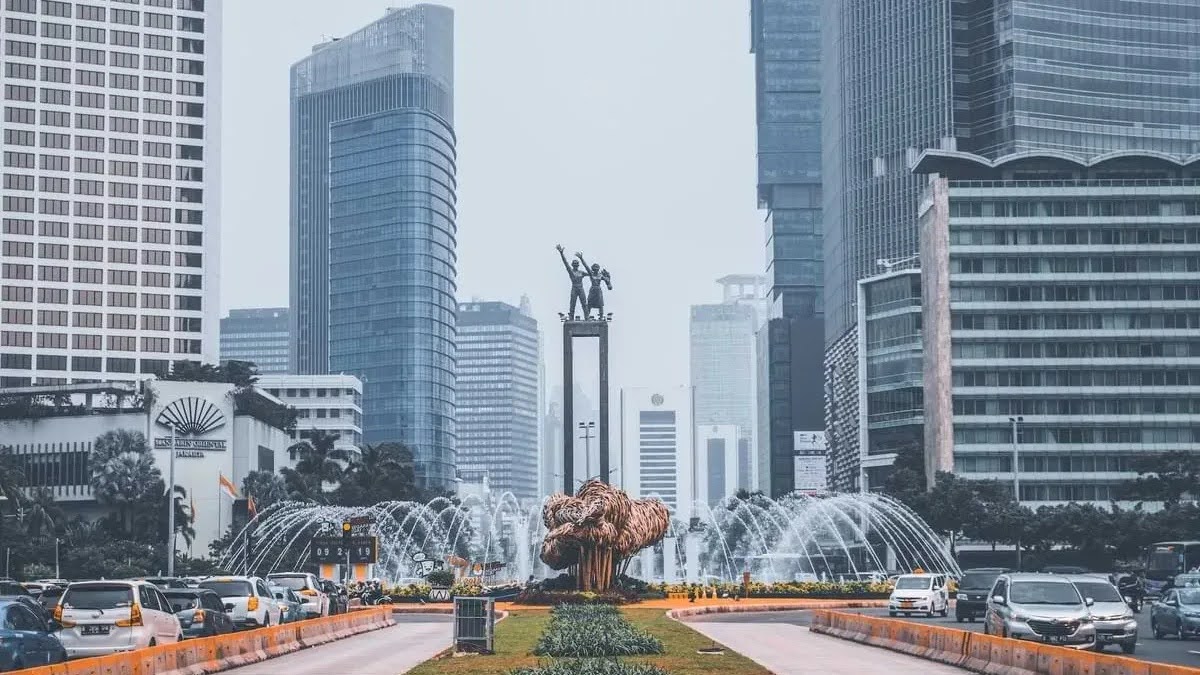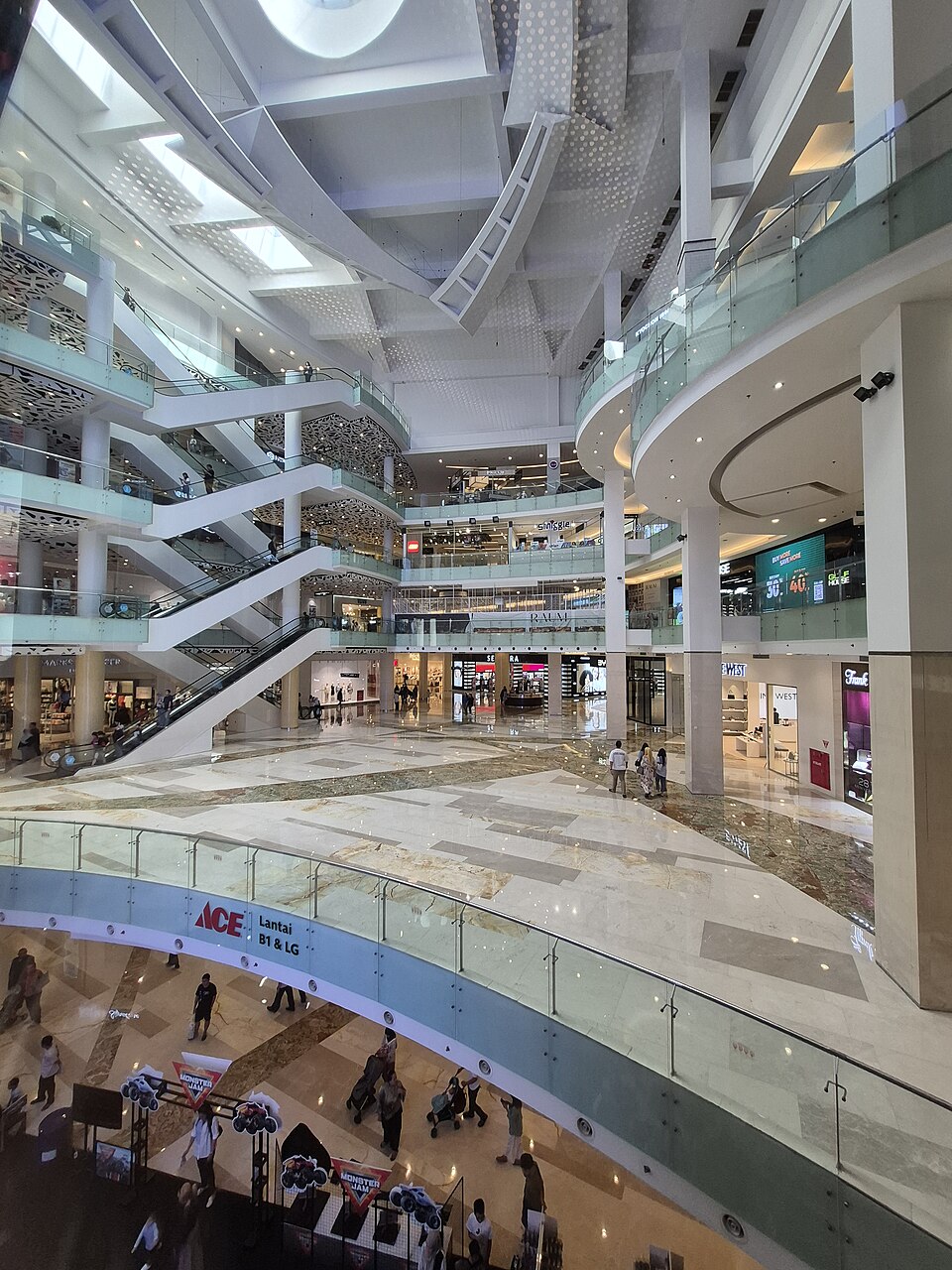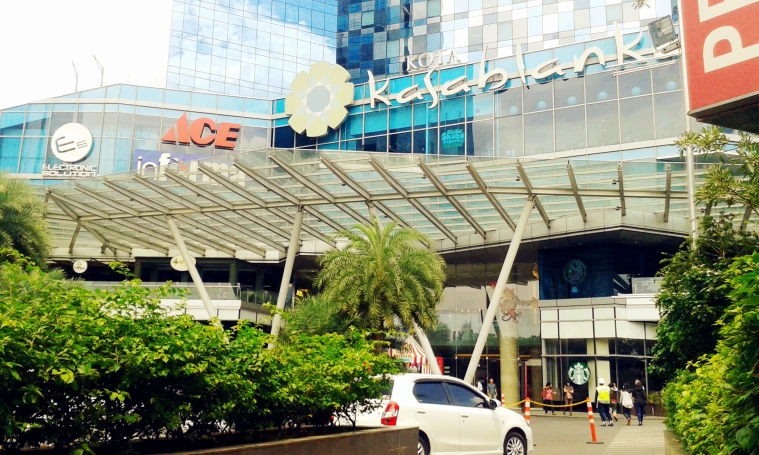

Imagine your team is finally heading to a meeting in Jakarta. Everyone is on schedule in theory, but traffic eats the buffer, the first presenter can not get their laptop to connect, and the “meeting room” works perfectly for a slideshow but falls apart the moment you need a hybrid video call. The room looks fine, yet the audio is muddy, the screen is too dim, and the internet acts like it is buffering out of spite.
That is the real problem a Jakarta hotel for business meetings solves. The venue is not just a place to sit and talk. It becomes part of the meeting system, where timing, technology, and support have to work together. When they do, people arrive with less stress and the conversation stays on track.
In this article, you will learn what to look for in a Jakarta hotel specifically for business meetings. “Right venue” here means the meeting space fits your format and expected headcount, the audiovisual setup is reliable, the internet is dependable, and the catering supports energy throughout the day. It also means the hotel can staff the event well, handle setup details smoothly, and keep things secure without turning entry into a long, frustrating process.
Most importantly, you will see how all of that ties back to realistic Jakarta timing, where delays happen and plans need built-in resilience. Next, the article will clarify what “meeting-suitable” really includes, so you can evaluate hotels without guessing.
If you want to align requirements with the right venue setup, explore the options and guidance on Ashley Hotel Group while you compare hotels for your next corporate meeting.
What makes a Jakarta hotel suitable for business meetings
Meeting rooms vs conference facilities
Here’s the simple way to think about it: a meeting room is usually for focused discussions and smaller presentation needs, while conference facilities are built to handle bigger groups, multiple formats, and more complex setups. The difference matters because room layout and capacity are not interchangeable, especially when you need breakouts or a clear flow between sessions.
If your meeting is mostly training or a workshop, you want flexibility in seating and space. If it is a conference with parallel activities, you need rooms that can scale and reconfigure without losing the professional look and feel.
The hotel as an end-to-end workflow partner
A “partner” hotel is more than a place to rent. It coordinates the whole workflow, from planning support with event specialists to on-site setup, audiovisual execution, and day-of troubleshooting. That operational layer is what turns a booking into a smoothly running event.
It also connects the dots after the session ends, with follow-up and closing logistics so billing and arrangements do not become a last-minute headache.
Capacity, tech, and support must align
Suitability is when the space, technology, and service level fit the meeting you are actually running. Hotels that host business meetings usually have the right mix of meeting spaces like boardrooms or ballrooms, plus the technical infrastructure for presentations and reliable connectivity.
In Jakarta, that alignment also has to respect realistic timing, including traffic and setup windows, so every part of the plan stays intact.
So yes, meeting capability is necessary, but Jakarta’s realities change what to prioritize next, especially around traffic, timing, and access.
Why Jakarta’s specifics change what to prioritize
Location is productivity, not just convenience
When you pick a “nice and reachable” hotel, Jakarta traffic can still stretch travel time and break the meeting schedule. A location-first choice protects punctuality because attendees spend less time in transit and more time in sessions.
This is also why mixed-use connectivity matters. If the hotel is inside an integrated complex near offices and everyday amenities, people move less across the city, which lowers delays during breaks, arrivals, and transitions.
Plan around time, not assumptions
Generic planning assumes people will get there “about on time,” and vendors will set up when expected. In Jakarta, that assumption often fails, so setup windows and agenda timing need built-in resilience for road delays and delivery timing.
In practice, that means choosing hotels where room setup and technical support can start early, and scheduling buffer time for traffic, equipment arrival, and last-mile changes before the program begins. Once Jakarta realities are accounted for, you can evaluate hotels using a concrete set of criteria in the next section
Key criteria to evaluate before you book
Meeting space that matches your format
Does the hotel offer rooms that truly match how your meeting runs? That means the right room size, the right layout, and the ability to support your format, whether it is a board discussion or a larger conference style flow.
Before you commit, confirm room flexibility and how setups handle your needs. Ask about layouts, partition options for breakout sessions, and whether the venue can adjust the room without chaos. This avoids the common mistake of renting “a room” that cannot support your actual agenda.
AV and tech reliability for smooth delivery
If your presentation depends on equipment, then AV reliability is not optional. Even a perfect room can feel useless when microphones are inconsistent, screens look dim, or sound carries poorly across the space.
Ask what the hotel provides as standard and whether technical support is available on-site. Confirm that they can pre-test connections for your presentation and any hybrid setup needs, because late surprises usually cost more time than the equipment rental ever would.
Internet connection you can actually depend on
Can you count on connectivity to keep the meeting moving? In business meetings, internet reliability is often the difference between a smooth video call and a stalled agenda.
Clarify whether they support dependable internet connection and what approach they recommend for events that need stable connections. The practical step is to confirm bandwidth expectations and how the hotel handles critical connectivity, especially when multiple devices join at once.
Catering and delegate comfort matter
Good catering is not “nice to have.” It affects energy, attention, and the pace of the day, especially when the schedule already has to deal with Jakarta timing pressures.
Dedicated event support and security
Do you get real support, or just a room rental? A hotel that runs business meetings well typically assigns event specialists who help plan setup details and manage on-site execution.
Confirm what the event team covers, including coordination for room setup and technical readiness. Also ask about security procedures like vehicle checks, bag screening, and CCTV coverage, because in Jakarta a smooth entry process affects attendee comfort as much as safety.
Once these criteria are clear, the booking process can lock expectations early, instead of letting day-of issues multiply. Next, you will see how the workflow for booking and confirming details should work.
How the booking process should work in practice
From requirements to proposals
“The quickest way to avoid day-of problems is to be specific early.” Start by defining your attendee count, meeting duration, and room layout. Then spell out your AV needs, your internet expectations, and whether you require hybrid participation.
Next, align on catering needs and whether you want delegate-style packages or a more customized approach. When you request proposals, ask for transparent costs so you understand what is included, what is optional, and what support is provided by the hotel’s event specialists.
Confirm the details before setup day
Before anyone wheels in equipment, lock the operational details. Confirm room setup times, the exact technical plan, and any AV diagrams so staff do not guess on arrival day.
With that workflow in place, the next section will explain what to watch for before signing, because misunderstandings still happen even when you try to be thorough.
What to watch out for before signing
Cheapest quotes often hide the real bill
Many people assume the lowest price means the safest deal. Then the invoice arrives higher because key inclusions were vague or left out, especially around AV equipment, printing, and which refreshments are actually covered.
Guard against this by demanding clear itemization. Make sure you know what is included versus what is an optional add-on, so you do not pay extra for basic meeting basics after you think everything is settled.
The problem isn’t the room, it’s what breaks
Underprepared tech is where meetings fall apart, not in the brochure photos. Weak acoustics, outdated presentation gear, or unclarified internet connections can turn a simple agenda into repeated troubleshooting.
Also be realistic about last-minute changes. Layout, room setup, and catering tweaks depend on availability and may come with additional charges, so lock the plan early and avoid signing while key operational details are still fuzzy.
When these traps are avoided, you set yourself up for a strong meeting experience, and the next step is seeing what excellent execution looks like on the day.
What great looks like on meeting day
Beyond the main room: breakout and flow
A 9:00 a.m. keynote ends, and people naturally spill into breakout corners for quick discussion, then return without searching for directions
That flow is not luck. Breakout space keeps energy up and gives room for networking and impromptu talks, instead of forcing everyone to stay seated in the main space. When the venue supports movement and conversation, the meeting feels alive.
Also watch the “invisible” comfort factors. Clear sound across the room, comfortable temperatures, and lighting that helps people focus reduce fatigue during long sessions. Even a strong agenda can feel weak if acoustics and comfort are off.
Your best next step: build a fast venue checklist
- ✅ Meeting space matches your format and headcount needs
- ✅ AV support is clear, and pre-testing is planned
- ✅ Internet approach is confirmed, including Wi‑Fi
- ✅ Catering fits the schedule and delegate comfort needs
- ✅ Event specialists handle setup and execution, plus security procedures
- ✅ Jakarta timing includes traffic buffers for arrivals and deliveries
Do not wait until the last minute to confirm the technical and operational details. When expectations are locked early, day-of surprises drop, and meetings run smoother.
With this checklist in mind, your planning gets calmer and your meeting day stays focused on the agenda.