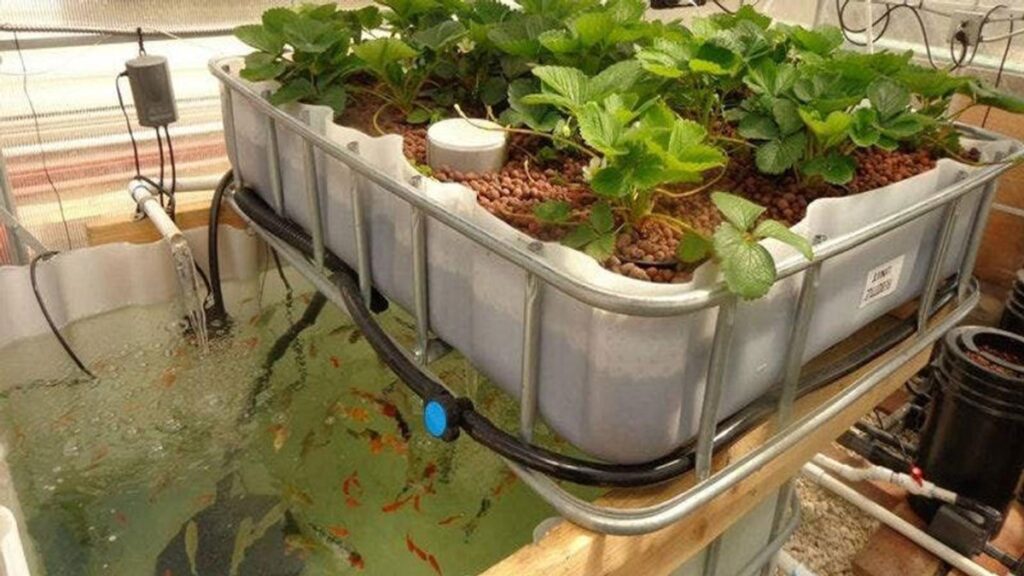
Aquaponics workshops in Jakarta are gaining attention as urban communities look for smarter and more sustainable ways to grow food. In a city where land is limited and environmental awareness is increasing, aquaponics offers a practical solution that combines fish farming and plant cultivation in one ecosystem.
Through aquaponics workshops, participants can learn hands-on techniques, understand system balance, and explore how urban farming can be both productive and eco-friendly. These workshops attract beginners, hobbyists, and even entrepreneurs.
Let’s take a closer look for more information!
Benefits of Aquaponics Systems
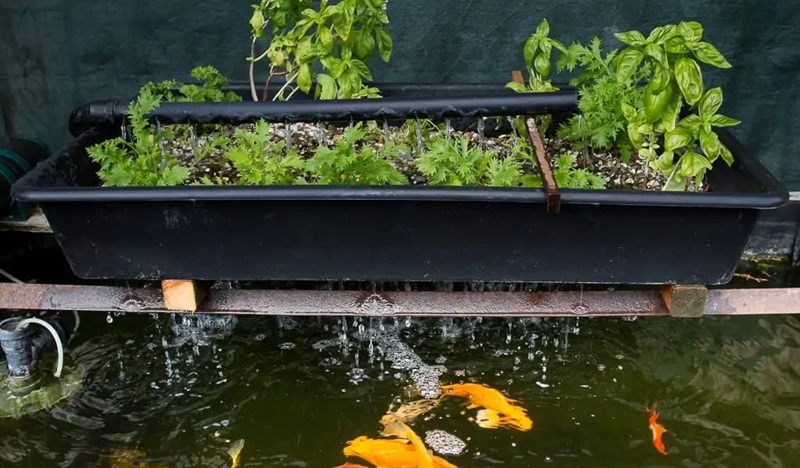
Aquaponics applies an innovative farming approach by integrating aquaculture and hydroponics into one closed-loop system. In aquaponics workshops in Jakarta, participants learn how fish, plants, and beneficial bacteria work together in a natural balance.
Fish produce waste that becomes nutrients for plants, while plants help purify the water for fish. This balance reduces environmental impact while maximizing productivity.
Another major benefit discussed in aquaponics workshops in Jakarta is water efficiency. Compared to conventional farming, aquaponics uses significantly less water because it is continuously recycled.
Participants also learn how this system reduces dependency on chemical fertilizers, since nutrients come naturally from fish waste. Additionally, aquaponics allows dual production, vegetables and fish within limited urban spaces, making it ideal for city environments like Jakarta.
Plants Suitable for Aquaponics
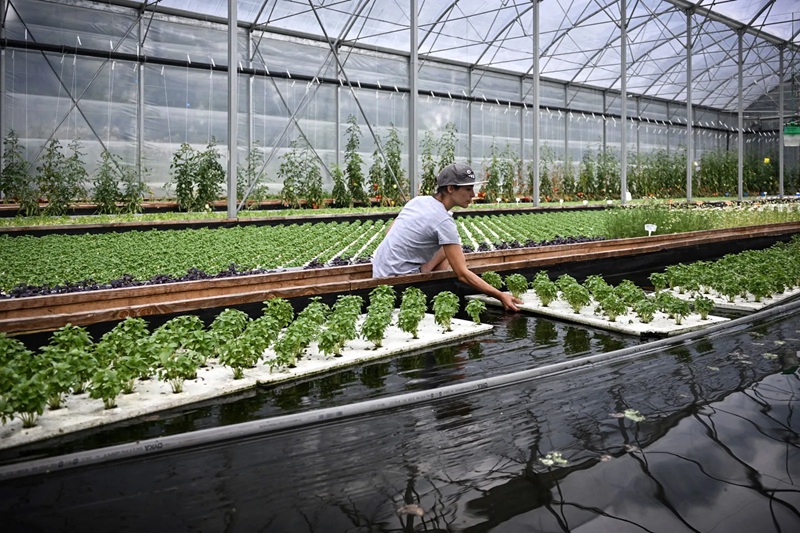
Aquaponics workshops in Jakarta usually introduce participants to plant varieties that thrive in water-based systems. Leafy greens such as lettuce are among the most popular choices because they grow quickly and absorb nutrients efficiently.
Spinach is another favorite, valued for its fast growth and high nutrient demand, which matches well with aquaponics systems.
Herbs like mint and basil are also commonly discussed in aquaponics workshops in Jakarta. These plants adapt well to hydroponic conditions and add economic value due to their culinary demand.
Other crops such as spring onions, water spinach (kangkung), and watercress are suitable for beginners. For more advanced systems, strawberries, cucumbers, and even broccoli can be grown successfully. These workshops help participants match plant selection with system capacity and nutrient availability.
Aquaponics Growing Media
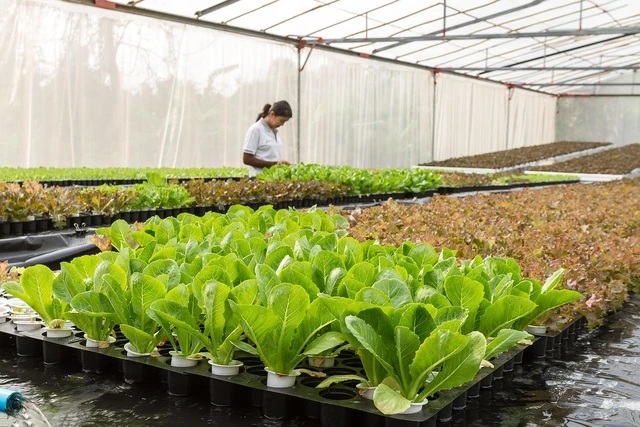
Growing media play a crucial role in aquaponics systems, and aquaponics workshops in Jakarta emphasize choosing safe and efficient materials. Ideal media must be free from toxic chemicals and have a porous, lightweight structure that allows water, oxygen, and nutrients to reach plant roots easily.
Common examples include:
- Gravel
- Zeolite
- Pumice stone
- Clay pebbles (hydroton)
- Coconut shell charcoal
In aquaponics workshops in Jakarta, participants also learn the importance of pH stability. Growing media should be neutral or slightly acidic to avoid disrupting water chemistry. Good drainage is equally important to prevent root rot and salt buildup.
Some workshops introduce biodegradable media like coconut fiber to promote sustainability. Proper media maintenance, including cleaning and replacement, is highlighted to ensure long-term system health for both fish and plants.
Also Read: 7 Best Fishing Spots In Jakarta for Holiday
Why Aquaponics Locations Are Still Limited in Jakarta
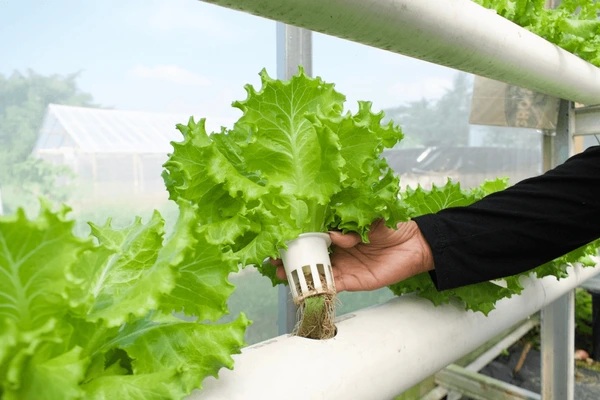
Despite growing interest, dedicated aquaponics spaces remain relatively rare, a topic often discussed in aquaponics workshops in Jakarta.
One major reason is limited urban land availability and high property costs, which make large-scale systems difficult to establish. Many people still associate farming with rural areas, slowing adoption in dense cities.
Aquaponics workshops in Jakarta also highlight challenges such as lack of public awareness and limited technical knowledge. Setting up a balanced aquaponics system requires understanding biology, water chemistry, and maintenance routines.
Without proper education, many urban residents hesitate to try. However, workshops are slowly changing this mindset by offering accessible learning spaces. Community gardens, rooftops, and educational centers are now emerging as potential hubs for aquaponics development across Jakarta.
Ashley Hotel Jakarta Supports Urban Learning Experiences
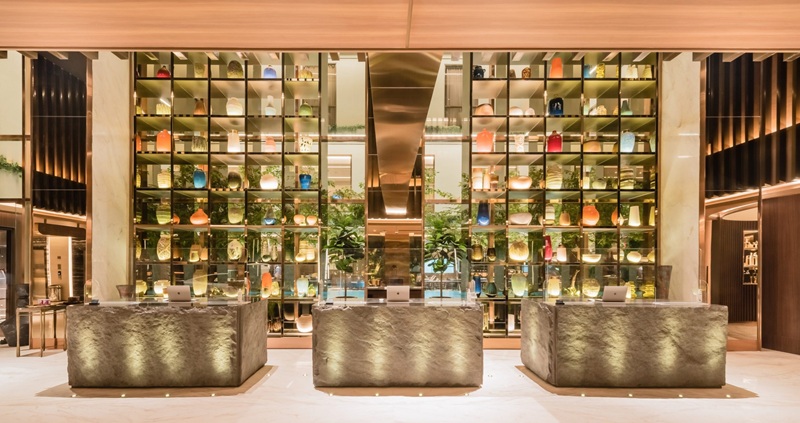
Ashley Hotel Jakarta fits perfectly with the growing trend of educational travel, including aquaponics workshops in Jakarta. Many workshop participants seek accommodation that feels efficient yet welcoming, and this hotel answers that need.
Its minimalist design and quiet ambiance provide a refreshing break after hands-on aquaponics activities. By staying at Ashley Hotel Jakarta, youcan focus on gaining knowledge from aquaponics workshops around Jakarta while enjoying a smooth and comfortable stay in one of the city’s most accessible locations.
Explore our website to find the ideal Ashley Hotel that suits your Jakarta stay.