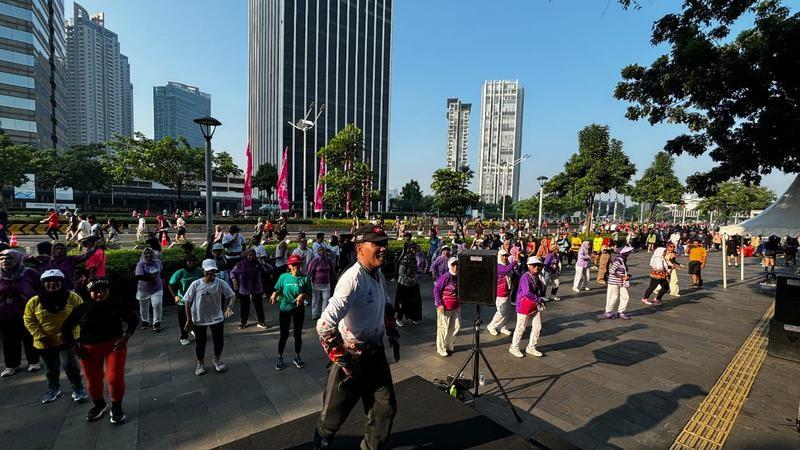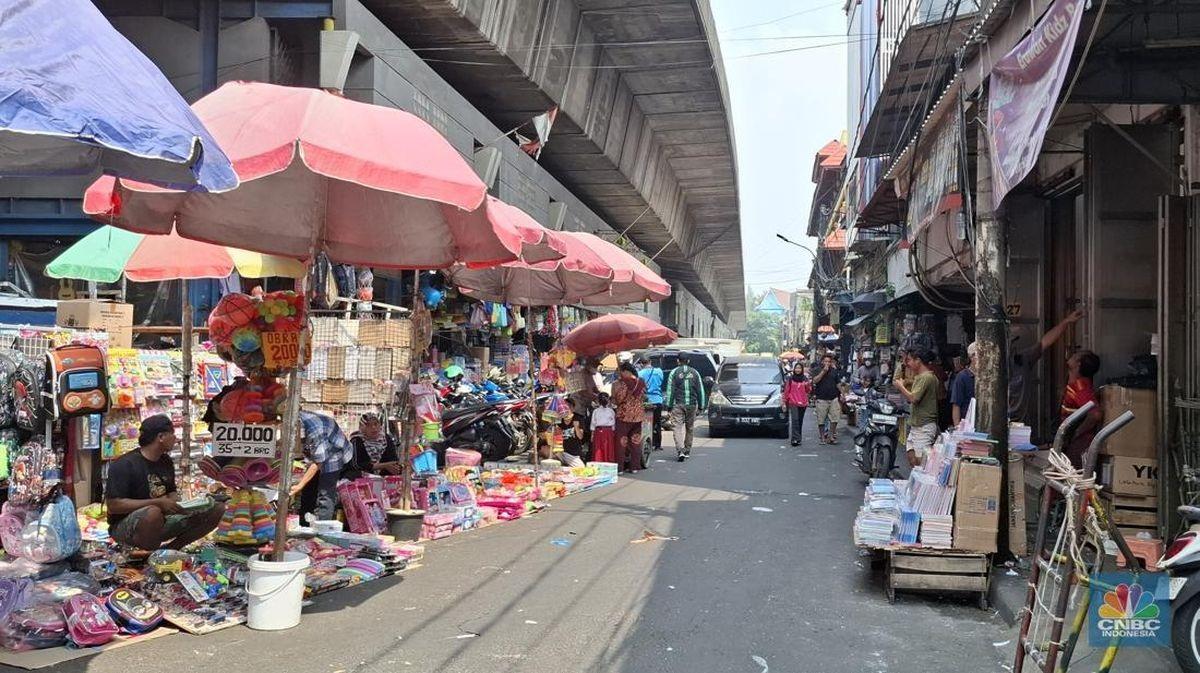
Picture this: you step into Central Jakarta during the festive season, and suddenly the air feels different. Music spills out of loudspeakers, lights blink across major landmarks, and crowds move like one big, happy current, carrying snacks, laughter, and a sense of celebration.
That is the real-life meaning of festival events in Central Jakarta. They are organized public gatherings, usually set up with clear goals, like celebrating culture, delivering modern entertainment, running trade or fair-style activities, or creating big year-end public moments that bring thousands together. In other words, you’re not just “watching something.” You’re entering an event designed to pull people into a shared experience.
Central Jakarta matters because it is built for visibility. The area has dense infrastructure, well-known hubs, and landmarks where foot traffic naturally concentrates. So even when the festival itself changes from week to week, the feeling tends to be the same: lots of people, lots of movement, and a constant buzz that you can spot from a distance.
Planning a smooth festival day in Central Jakarta is easier when your base is sorted. Consider checking availability through ashleyhotelgroup.com so you can focus on enjoying the events
In this article, we’ll unpack what these events actually are, why they matter to locals and visitors, and what goes on behind the scenes to make them happen. You’ll also learn how planning works in practice, including how to choose the right event for your vibe, how to handle transport realistically, and how to match your behavior to the kind of celebration you’re attending.
The main idea is simple: once you understand what festival events in Central Jakarta really mean, you can recognize the main types instantly when you’re there, and your trip becomes way less stressful and way more enjoyable.
What are festival events in Central Jakarta
Festival events in Central Jakarta are organized public gatherings with a clear purpose. They can be cultural, modern entertainment-focused, trade or fair-style, or community celebrations. The key is that they bring people together around a shared moment, not just a random crowd in the street.
Central Jakarta gives these events a distinctive “high-visibility” setting. The area has dense infrastructure, major landmarks, and easy access that naturally concentrate audiences. So even when the event theme changes, you still tend to notice the same things on the ground: lots of movement, strong atmosphere, and crowds gathering around well-known hubs like Bundaran HI.
The main festival types you’ll encounter
Traditional cultural festivals spotlight Jakarta identity and heritage. You’ll often see performances, traditional costumes, and community-style activities, with Betawi culture being a standout example.
Modern music and nightlife festivals bring a different energy, usually with big stages, loud music, and a younger crowd. These events make Jakarta feel like a regional music destination rather than only a business capital.
Fairs and investment-style events
Some festivals feel more like a combination of expo, entertainment, and public recreation. They mix business energy with activities you can browse and enjoy, so there’s both a “show” side and a “what’s new” side.
When an event leans toward investment or trade, the vibe shifts again. You’ll see more industry-focused participation alongside public-facing programs, so people experience Jakarta’s economic role in a more direct way.
Year-end public countdown celebrations
During the late-year festive season, Central Jakarta also hosts major public celebrations that focus on countdown moments, light displays, and fireworks. These are the events where you can feel the city pause and collectively celebrate the transition into a new year.
They tend to pull in both locals and visitors, which is why crowd management and access routes become part of what you experience, not just what organizers worry about.
Central Jakarta as the “event magnet”
Put simply, Central Jakarta is where people expect to find big, noticeable events. Landmarks and central hubs help concentrate audiences, while the dense urban layout supports large crowds gathering within walking and short-ride distances.
That’s why recognizing the festival type matters. Once you know what kind of event you’re looking at, you can better predict the atmosphere, the flow of people, and what etiquette will likely be expected.
Now that you can recognize the categories, the next question is why these events matter so much to locals and visitors.
The main festival types you’ll encounter
Running into the “right” festival in Central Jakarta can feel tricky when you first arrive. The good news is that the city’s events usually fall into a few clear patterns, so you can quickly tell what kind of day or night you’re walking into.
Once you learn these categories, you’ll notice the atmosphere shift fast. Music events feel built around stages and sound. Traditional events feel built around culture, performance, and local identity. Fair or investment-style events blend entertainment with public browsing or business energy. And year-end celebrations focus on big shared countdown moments.
Traditional cultural festivals rooted in Betawi culture
Traditional cultural festivals focus on heritage and local identity, and that’s where Betawi culture often shows up in a big way. You may see traditional performances, ethnic costumes, and crowd-friendly community activities that make the celebration feel personal, not staged for tourists only.
One standout example is the presence of Ondel-Ondel, a classic Betawi cultural symbol that often appears in parades and performances. Alongside that, you can expect the festival vibe to lean toward respect, modest behavior, and following organizer guidance, since many of these gatherings are tied to cultural meaning.
Modern music and nightlife festivals for EDM and jazz fans
If you’re chasing energy, modern music and nightlife festivals are usually the most obvious category. These events center on big performances, loud sound, and a crowd that shows up for the music itself, not just general sightseeing.
Two concrete examples are Java Jazz Festival and Djakarta Warehouse Project. Java Jazz Festival typically signals a jazz-focused lineup and a “music as the main event” mood, while Djakarta Warehouse Project reflects Jakarta’s EDM culture. Just remember that not every music event is designed to feel “family-friendly,” and etiquette can be more relaxed than at traditional cultural gatherings.
Fairs and investment-style events with a public “show” side
Some festivals feel less like a single performance and more like a place you explore. Fairs and investment-style events often mix entertainment with browsing, so the experience can be more flexible and “wander-friendly.”
For the economic or trade angle, examples include events like Jakarta Fair and Jakarta Investment Festival. You might notice a stronger business presence alongside public-facing activities, meaning the crowd can include both visitors and participants who are there for industry or collaboration. It’s still a festival, but the vibe tends to be more about discovering and learning than only watching one stage.
Year-end public countdown celebrations at central landmarks
When the year is ending, Central Jakarta often shifts into a more collective, public-celebration mode. These events are built around shared timing, light displays, and the kind of atmosphere where strangers cheer together.
A key example is the New Year countdown celebration at Bundaran HI, paired with light shows and fireworks. The crowd intensity here can be intense, especially near the main viewing areas. Because of that, how people move matters as much as what they came to see, and you’ll want to be mindful that schedules and access flow can feel different on the day.
These categories connect directly to what you’ll do and how you’ll behave on-site, which is why the next step is understanding why the events matter so much for locals and visitors.
Why these events matter in daily life
“Festivals are the moments when a city feels like a community, not just a place on a map.”
Festival events in Central Jakarta do more than entertain. They act like cultural signals, economic accelerators, and community rituals that shape how people meet, spend time, and spend money across the week.
For tourists
Tourists get a simple win: a concentrated slice of Jakarta that mixes music, lights, and cultural moments in one trip. You also get a clearer “what to expect” feeling because these events tend to gather around well-known central hubs.
For locals
Locals experience festivals as cultural preservation and community engagement. Traditional programs can highlight Betawi identity and performances like Ondel-Ondel, while modern events give everyday life an outlet for shared excitement.
For businesses
For businesses, events create demand that spreads into everyday spending. Hotels, restaurants, transport services, and retail areas near major venues often see more customers because large crowds need food, movement, and convenient places to browse.
For organizers and city branding
Organizers use festivals to promote tourism and build city branding through a visible “modern plus traditional” identity. That’s why Central Jakarta’s atmosphere matters so much: high visibility turns a festival into a message about what the city stands for.
At the end of the day, these value streams pull different groups together, and that requires heavy coordination. Next, you’ll see how festivals get made and why the behind-the-scenes process shapes what you feel on-site.
Most major Central Jakarta festivals are planned well in advance, because once crowds gather, there is no “easy fix” anymore.
That planning shows up in a clear lifecycle. Each stage shapes what you experience on the ground, from how you enter to how you move around the venue.
1. Concept planning
Organizers start by setting the goal and the vibe. They decide whether the festival is meant to celebrate culture, push modern entertainment, support trade or business activity, or create a big public countdown moment.
This is also where the target audience becomes real. Tourists and locals may be drawn in different ways, and that affects everything that follows.
2. Permits and compliance
Before production can fully start, organizers handle permits and basic compliance requirements. For any public event, safety and rules matter from day one, not only on event day.
That early work is what makes later systems like entry rules and crowd control possible without chaos.
3. Venue booking
Next comes the venue. Central Jakarta often becomes the “event magnet” because high-visibility places concentrate audiences, so venue choice strongly influences crowd density.
In practice, this is why landmark areas can feel packed even before the main show begins.
4. Performer and vendor contracting
Then organizers secure performers, cultural groups, and vendors. If the event is music-heavy, the lineup and stage setup become central.
If it leans traditional, the program needs time for cultural performances and orderly flow for parades and demonstrations.
5. Marketing and promotion
Promotion helps the right people show up at the right time. Organizers typically build awareness during the lead-up period so the crowd arrives with enough information to follow on-site guidance.
This also helps manage demand for entry points, food areas, and viewing spots around major hubs.
6. Logistics and infrastructure
Logistics turns the plan into reality. Sound systems, lighting, sanitation, and waste handling are arranged so the festival can run smoothly in a dense urban setting.
If you’ve ever felt “everywhere is moving,” that is usually infrastructure doing its job behind the scenes.
7. Security and crowd management
Security and crowd management are not optional. Organizers plan how people enter, where they pause, and where they exit, especially for high-attendance moments.
A New Year countdown celebration at Bundaran HI, with light shows and fireworks, is a perfect example of why crowd control and safety planning shape the entire experience.
8. Execution on the day
During execution, small decisions change everything. Traffic, crowd density, and the pace of movement around landmarks can shift the “real timeline” for attendees.
That means you might notice that schedule precision matters less than how smoothly people can move between areas.
9. Post-event evaluation
After the event, organizers evaluate what worked and what didn’t. This includes attendee feedback and operational review so future festivals can improve flow, safety readiness, and on-site clarity.
Once you know what goes into making the event, you can also predict what it feels like during execution, which is exactly what the next section will explain.
Permits and compliance keep the event safe
Check that the organizers handle permits and compliance with local rules. Even if you never see the paperwork, it’s what makes safety systems and on-site authority roles possible when crowds get dense.
You’ll notice this through clearer signage, smoother coordination, and fewer “random surprises” when you enter an event area.
Venue choice controls crowd behavior
Venue selection is not just about convenience. In Central Jakarta, high-visibility locations concentrate audiences, so the venue layout directly affects how crowds gather, pause, and move.
On-site, this shows up as bottlenecks near popular viewing areas and faster flow where entrances and exits are clearly planned.
Sanitation and waste planning affect comfort
Look for how bathrooms, clean-up points, and waste handling are set up. Good logistics means the area stays usable even with heavy foot traffic.
When sanitation is taken seriously, you feel it as easier movement and a more comfortable environment around food and gathering points.
Security and crowd barriers manage the “pressure points”
Security and crowd barriers help control the moments when people surge, like just before a big performance or during countdown segments. This is where safety becomes real, not theoretical.
Practically, you may see bag checks, designated entry lanes, and crowd barriers that prevent people from spilling into restricted areas.
Entry and exit flow decides your real timing
Even with a perfect program schedule, the experience can feel off if entry and exit flow is unclear. Organizers plan routes so people can arrive, enter, and leave without overwhelming key points.
If you pay attention to how crowd movement is guided, you’ll understand why some areas feel easy to access while others require patience and extra time.
Now that you’ve seen what planning and safety aim to control, the next step is what those choices feel like for you during execution.
What it feels like during execution
Imagine you’re in Central Jakarta late in the evening, near Bundaran HI for a New Year countdown. The crowd is thick. You start walking toward the viewing area, and suddenly you realize the “start time” on announcements matters less than how people funnel into entry points. Movement slows, not because you’re doing anything wrong, but because crowd density takes over the pace.
That experience is exactly what execution planning is designed for. Sound and lighting, sanitation, vendor operations, and emergency readiness all influence how the event runs in real life. If music cues build intensity, the crowd often tightens and shifts positions. With Central Jakarta’s dense layout and heavy traffic pressures, organizers also plan for attendee flow, so even a “simple” journey on paper can feel different on-site. That is why it helps to build buffers into your personal timeline, even when public transport seems close.
Once you know what execution feels like, planning becomes easier because you can aim for smoother entry, better movement, and the right kind of expectations. Next, the guide shifts into practical planning tips.
How can you plan for central Jakarta festivals
Planning Central Jakarta festivals sounds easy until you realize the real enemy is time, not tickets. How do you avoid wasting the day stuck in crowds or showing up to the wrong moment?
Time it with the season
Start by matching your dates to the festival rhythm. Many big moments cluster in late-year months like November to January, and there’s also a vibrant stretch that runs around October to February where multiple celebrations overlap.
When you time your visit to that pattern, you’ll have more choices and fewer “everything happened already” surprises. It also makes it easier to plan activities beyond just one event.
Plan transport with buffers
Use public options like TransJakarta and the Airport Rail Link, but build extra time anyway. Traffic still affects how long your ride takes, and it also changes how crowds move once people arrive near popular venues.
On event days, the journey from “close enough” to “actually comfortable” can be longer than you expect. A buffer helps you avoid arriving stressed and rushing through entry or viewing areas.
Match etiquette to event type
Don’t treat etiquette like one universal rule. Traditional cultural festivals usually expect more modest dress and careful, respectful behavior, while modern music events can be more relaxed and geared toward a different kind of crowd energy.
This matters because the moment you walk in, the environment is already communicating norms. When you match your behavior to the event type, you’ll feel like you belong faster, and you’re less likely to stand out for the wrong reasons.
Confirm updates close to the date
Festival schedules and details can shift, so check closer to the day you go. Even if you planned perfectly, on-site reality can change around timing, access, or crowd flow guidance.
Staying updated helps you adjust early instead of coping late. It also reduces the risk of arriving at a viewing area when it’s already overloaded.
Choose based on what you want to get out of it
Finally, pick events that match your goal. Culture-focused programs can feel more meaningful when you want heritage and local identity. Music and nightlife festivals are better when you want performance energy and a modern atmosphere.
Once you align the event type with your personal vibe, everything else becomes simpler because your plan fits the kind of experience Central Jakarta will deliver.
With logistics handled, the next step is decision-making: choosing the right festival type for what you actually want from the trip.
Pros of targeting modern music festivals
Modern music festivals are the fastest way to get that “Jakarta energy” feeling. If your goal is big performances and a high-charge crowd, events like Java Jazz Festival and Djakarta Warehouse Project usually deliver it clearly. You can plan around stages, show times, and the music mood rather than deep cultural context.
The upside also shows in how you move through the event. People often share the same focus, so you’ll notice the atmosphere shift quickly when sound and lighting ramp up. If you want this benefit, choose dates when access feels easiest and plan a buffer for entry and crowd flow.
Cons of targeting modern music festivals
The tradeoff is that modern events may feel less “everyone-friendly” than you expect. You can run into environments that are more adult-oriented in vibe, and etiquette norms can differ from traditional cultural gatherings.
To minimize the downside, match the event to your comfort level. If you’re going with family, verify the event vibe in advance through the organizer’s on-site rules and dress guidance, and plan times when you can enter smoothly without rushing.
Pros of choosing traditional cultural events
Traditional cultural festivals are ideal when your goal is meaning, not just spectacle. When Betawi culture takes center stage, you often get a deeper sense of Jakarta identity, with recognizable elements like Ondel-Ondel and performance-driven storytelling.
You also tend to feel a stronger shared respect around behavior and presentation. If you want the upside, dress modestly, follow instructions, and arrive with the mindset that cultural events reward patience and attentive viewing.
Cons of choosing traditional cultural events
The downside is that traditional events can have stricter social expectations. If you show up dressed casually or act without considering cultural sensitivity, you may feel out of place, even if your intentions are good.
For a better experience, plan for etiquette as part of the event itself. Keep your behavior respectful, follow organizer guidance, and treat the program as something to understand, not just something to quickly “pass through.”
Pros of choosing fairs and investment-style events
Fairs and investment-style events can be a smart choice when you want flexibility. They often combine entertainment with browsing and public participation, so your day is not locked to one stage or one single moment.
That blend can be especially helpful if you like discovering what’s going on while moving between areas. To get the upside, plan extra time for wandering, and aim to visit when you can still enjoy the “show” side without feeling rushed by crowd surges.
Cons of choosing fairs and investment-style events
The tradeoff is that the experience can feel less focused if you want one specific type of thrill. Because the event can include both public and business participation, the crowd mix and pacing may vary across zones.
If you want to reduce that risk, decide what you’re there for before you arrive. Pick the zone that matches your goal, and use a realistic travel buffer so you’re not constantly adapting to unexpected crowd density.
How to choose based on your goal
Ultimately, picking the right event type is about aligning your expectations with what the event is built to deliver. Modern music festivals emphasize performance energy, traditional events emphasize cultural identity, and fairs blend public recreation with wider participation.
Once you match the category to your goal, planning gets easier because your decisions about timing, access, and behavior make more sense. Even so, people still get tripped up by assumptions, and that’s where the next section on mistakes and misconceptions comes in.
What can go wrong (and how to avoid it)
All festivals are only cultural or traditional
Many people assume Central Jakarta festivals are always about heritage and local performances. That belief is believable because the city’s identity shows up strongly in traditional events, including Betawi culture.
In reality, Central Jakarta also hosts modern music and nightlife festivals, plus fairs and investment-style events. If you plan only for “traditional,” you might miss the main point of the event you actually bought into, and your expectations about atmosphere and etiquette may be off.
Public transport makes it easy despite traffic realities
Here’s the trap: you may rely on public options and assume the trip will be smooth end to end. Public transport exists and it can be convenient, but Jakarta’s traffic and crowd behavior still affect how long things take.
So even if you choose the right route, your experience can shift based on venue access and crowd density. The mistake is underestimating travel time, then arriving late or rushing through entry flow, which makes everything feel worse.
Etiquette is uniform across events
That sounds reasonable until you realize each event type has its own norms. Traditional gatherings often expect more modest behavior and respect for cultural meaning, while modern music events can feel more relaxed.
If you apply one “general” etiquette rule to every festival, you can end up feeling out of place or accidentally disrespectful. Match your behavior to what the event is built to deliver.
Event info is always in English
Some visitors assume details will always be clearly available in English. It’s easy to think that because many tourist-friendly experiences get translated.
But smaller or highly local events may not provide full English information. When you plan with incomplete language support, you risk arriving at the wrong time, misunderstanding venue rules, or not knowing which areas are for participants.
All festivals are family-friendly
Most people expect festivals to be automatically safe and kid-friendly because they look public and festive. That assumption comes from how many community celebrations feel welcoming.
However, modern music and nightlife festivals may be less suitable for younger visitors depending on the crowd vibe and on-site rules. If you bring family without checking the event tone, you can end up uncomfortable even if the event is “technically” public.
Festivals are only for entertainment
There’s a common belief that festivals are just things to watch and enjoy. And yes, entertainment is a big part of the experience.
Still, many festivals also serve cultural preservation, community engagement, and economic stimulation through trade or business participation. When you treat everything as pure leisure, you might miss the deeper context that helps you understand the event’s pacing, crowds, and priorities.
Schedules are perfectly predictable every time
Sometimes people plan as if the program will run like clockwork. But Central Jakarta events can be influenced by crowd flow and on-site conditions, so timings may feel less fixed than you expect.
If you rely on strict minute-by-minute plans, you’ll feel constantly frustrated when entry, movement, or crowd density changes. Build flexibility into your day so you can enjoy the event even when reality shifts.
Avoiding these traps helps a lot, but seasoned visitors also rely on a few counterintuitive tricks. Next is expert-level guidance.
Common mistakes that ruin your festival day
Picture this: you arrive in Central Jakarta with a rigid plan, memorizing exact times and the exact route you’ll take between viewing spots. During a crowded night event near Bundaran HI, the crowd density builds faster than you expected, entry points slow down, and the “schedule” you trusted starts to feel unrealistic. You end up missing the moment you came for because you didn’t leave space for crowd movement.
That’s the cause-and-effect problem. Execution is where logistics becomes visible, and crowd flow decides how quickly people can move. When traffic and density shift, timing becomes fluid, so the fix is to plan with flexible buffers and accept that “close enough” arrival beats “perfect time” arrival.
Now switch scenarios. Another traveler shows up to a traditional cultural festival with a casual outfit and a “general manners” approach. As soon as the program starts, they feel awkward because the environment expects modest behavior and respect for cultural cues. They keep glancing around, unsure whether their choices fit the setting.
This mismatch happens when etiquette is treated like it’s the same across every event type. Traditional programs often demand more attention to how you dress and how you behave. The fix is simple: dress modestly and follow organizer guidance for traditional events, then adjust your expectations if you’re attending a different kind of celebration next.
Once you understand these pitfalls, the last step is refining your plan so you stay flexible and ready for what happens on-site.
What’s next for your Jakarta festival trip
“Flexibility beats perfection when a city decides to move faster than your plan.”
First, you now know what festival events in Central Jakarta are and how to recognize the main types. That alone helps you spot the atmosphere you’re walking into.
Next, you understand how festivals get made, and why that backstage coordination changes what you feel on-site. Crowd flow, logistics, and timing reality are part of the experience, not an extra complication.
Finally, you can plan with realistic timing, transport buffers, and event-appropriate etiquette while avoiding common misconceptions. Keep checking updates close to the date and adjust based on how crowds and access actually feel, and you’ll enjoy the celebration with way less stress.
If you want a smoother Jakarta stay while you focus on the events, ashleyhotelgroup.com can help you plan with the right support before you head out each day