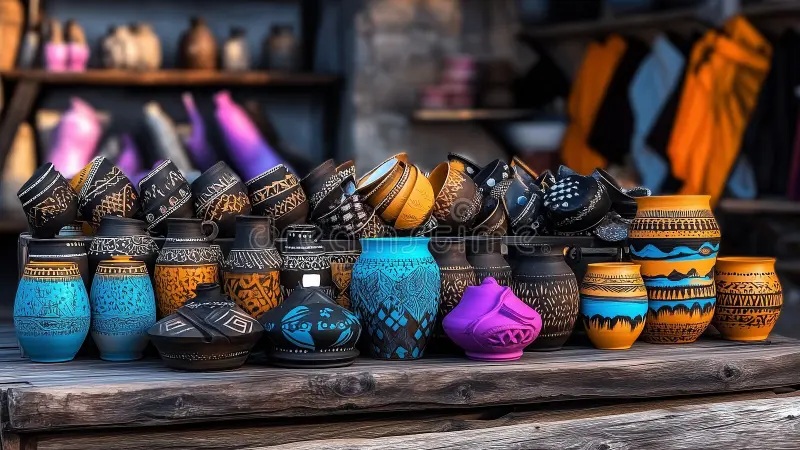
Jakarta is widely known as a bustling metropolis filled with modern malls, business districts, and culinary hotspots. However, beneath its fast-paced lifestyle lies a thriving world of craftsmanship, particularly in the handmade ceramic industry.
Exploring handmade ceramic markets in Jakarta offers a unique cultural experience, where tradition meets creativity. From historic markets to modern ceramic hubs, the city presents diverse options for collectors, interior designers, and casual shoppers.
This guide provides a comprehensive look at the best places to shop, complete with insights into pricing, product variety, and the artistic process behind ceramic craftsmanship.
1. Ular Permai Ceramic Market
Often regarded as one of the oldest centers within handmade ceramic markets in Jakarta, Ular Permai Ceramic Market is located near the Tanjung Priok harbor area in North Jakarta.
Established in the early 1980s, this market has relocated several times before settling on Kebon Bawang Street. Visitors are welcomed by rows of shops filled with exquisite ceramic creations, ranging from small decorative ashtrays to towering vases exceeding one meter in height.
Products here are sourced from various regions across Indonesia, complemented by premium imports from China, Italy, and Spain. The price range is extremely diverse, starting from affordable tableware around IDR 60,000 to exclusive collector pieces reaching up to IDR 100 million.
This wide selection makes Ular Permai a favorite destination for homeowners, architects, and hospitality businesses seeking both budget-friendly and luxury ceramic pieces.
2. Pasar Rumput
Located in Manggarai, South Jakarta, Pasar Rumput offers a practical alternative within handmade ceramic markets in Jakarta. This market is well-known for providing ceramic tiles, sinks, toilets, and refurbished ceramic items.
Shoppers can easily find re-polished ceramics and factory-grade alternatives that are perfect for renovation projects or budget-conscious home improvements.
Despite its utilitarian focus, Pasar Rumput still features handmade ceramic products crafted by local artisans. Prices are competitive, and buyers often appreciate the flexibility to purchase in bulk.
Its strategic location and wide product availability make it a reliable choice for contractors, interior designers, and homeowners seeking affordable yet durable ceramic solutions.
3. Panglima Polim Area
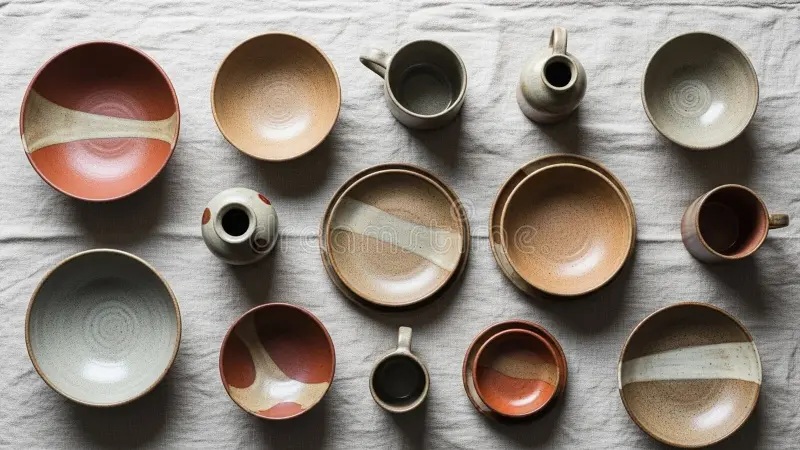
The Panglima Polim area in South Jakarta has evolved into a vibrant commercial zone, blending cafes, boutiques, and artisan shops.
Among these, ceramic distributors and specialty stores stand out, positioning the district as one of the modern handmade ceramic markets in Jakarta. Vendors here supply both local craftsmanship and imported collections, offering competitive pricing with premium quality.
Shoppers can explore minimalist tableware, artistic vases, decorative plates, and stylish bathroom fixtures. Prices range from affordable decorative items to high-end statement pieces, making Panglima Polim ideal for contemporary home styling.
4. Rawasari Market
Once a thriving ceramic marketplace during the 1990s, Rawasari Market in Central Jakarta still maintains its reputation among ceramic enthusiasts.
Although the number of vendors has decreased, Rawasari remains an important stop within handmade ceramic markets in Jakarta, particularly for those seeking lower-priced ceramic products.
Visitors can find classic ceramic designs, spare tiles, and decorative items at discounted rates. This market is especially popular among renovation contractors and small business owners who prioritize cost-efficiency. Rawasari’s nostalgic charm and budget-friendly prices continue to attract loyal customers looking for hidden ceramic treasures.
Processes and Techniques of Ceramic Craftsmanship
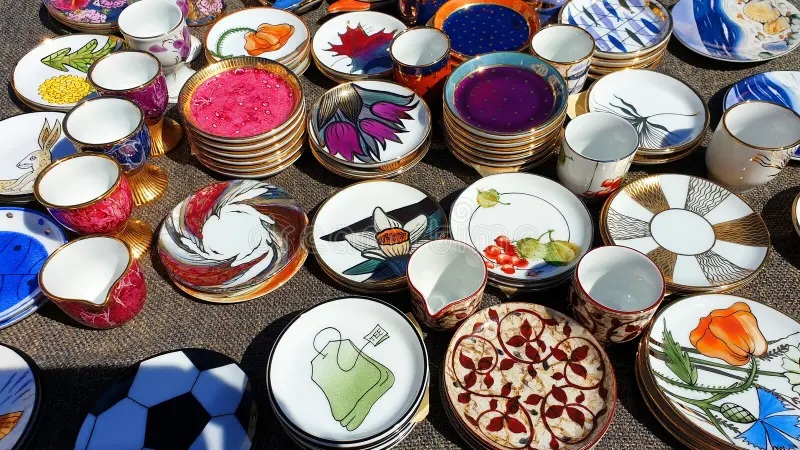
Ceramic Production Process
The artistry behind handmade ceramics involves meticulous stages that ensure both durability and aesthetic appeal.
- The journey begins with raw material preparation, where powdered clay is mixed with water and filtered to remove impurities.
- The wet clay is then sun-dried for one to two weeks, allowing it to achieve optimal plasticity.
- To maintain quality, the prepared clay is stored in sealed plastic, protected from direct sunlight.
- Next comes the shaping stage, where artisans mold the clay using techniques such as coiling, pinching, throwing, or slab building.
- Once shaped, the ceramics undergo air-drying before entering the first firing stage.
- This firing process lasts approximately nine hours at 900°C.
- To prevent cracking, the ceramics are cooled gradually inside the kiln for up to two days.
- After initial firing, finishing takes place, including sanding and coloring.
- The final stage involves a second firing at 1,220°C for 10 hours, ensuring strength, durability, and a refined surface.
This meticulous process reflects the dedication behind each piece found in handmade ceramic markets in Jakarta.
Ceramic Craft Techniques
1. Coiling Technique (Lilit Pilin)
This method involves rolling clay into rope-like strands and stacking them layer by layer. Using a rotating table, artisans build height and form while smoothing the surface for a seamless finish.
2. Pinching Technique (Pijat Tekan)
This hands-on approach shapes clay by pressing it with fingers, creating organic forms ideal for bowls, cups, and artistic pieces.
3. Slab Technique (Lempengan)
Flat clay sheets are rolled and shaped into angular or cylindrical designs, commonly used for plates, tiles,and architectural ceramics.
4. Molding Technique (Cetak)
Suitable for mass production, clay is pressed into molds, allowing consistent results and faster production time.
5. Slip Casting (Cor)
Liquid clay is poured into gypsum molds, producing detailed and uniform ceramics with fine textures.
6. Wheel Throwing (Putar)
Perhaps the most iconic technique, clay is spun on a rotating wheel and shaped by hand, creating symmetrical vessels such as cups, bowls, and vases.
Relax, Recharge, and Explore Jakarta’s Ceramic Treasures With Juno Jatinegara
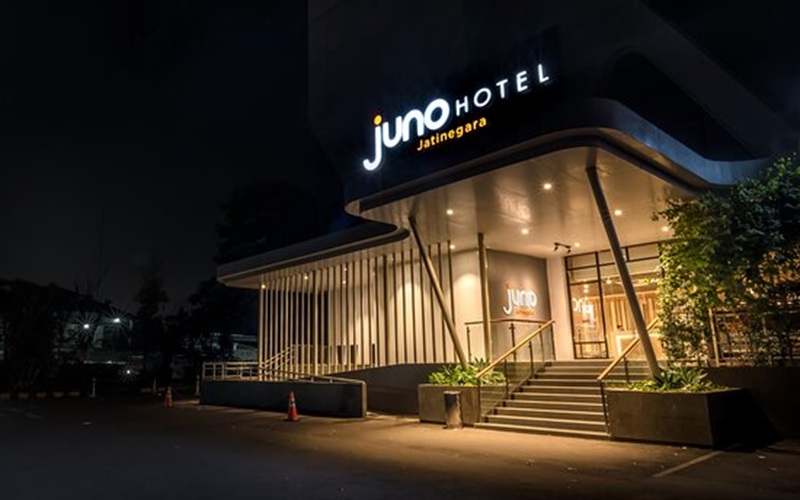
Discovering handmade ceramic markets in Jakarta can be an inspiring yet energy-consuming journey, which is why Juno Jatinegara stands out as a smart stay option. With modern interiors, comfortable seating, and a relaxing lounge atmosphere, the hotel creates a calming retreat after busy market visits.
Its easy connectivity to shopping and dining at City Plaza Mall ensures guests never have to travel far for daily needs. Whether you are a design enthusiast, collector, or casual shopper, staying here enhances your experience, allowing you to recharge fully before setting out again to explore Jakarta’s vibrant ceramic culture and creative marketplaces.