Imagine you are landing in Jakarta for the first time, and you are staring at a map thinking, “This area looks close enough.” Then you step into traffic and realize that in Jakarta, distance on paper can feel very different from distance in real life.
That is exactly why choosing the right neighborhood matters. Jakarta is enormous, and each area has its own vibe. If you pick the wrong base, you will spend too much of your day getting from one plan to another instead of enjoying it. Even worse, switching between areas during rush hour can chew up precious time, so your stay should be planned around how you will actually move.
Think of your neighborhood as a home base. It should match what you want to experience most, whether that is history and museums, business and upscale shopping, nightlife and trendy dining, authentic local food and markets, or a quieter, more residential feel. In the sections ahead, you will see what key areas feel like on the ground, so you can decide more logically and avoid the common “we thought it was nearby” mistake.
We will start with Kota Tua (Old Town), then move through Kemang, Menteng, Glodok, and SCBD around Sudirman and Thamrin, before zooming out to understand how different neighborhood types work. Before you lock anything in, it helps to understand what “neighborhood” means in Jakarta in the first place.
Want a smoother start? Use this guide to shortlist your best-matching areas, then let https://ashleyhotelgroup.com help you choose the right stay base for your itinerary.
What a “neighborhood” means in Jakarta
Neighborhood vs district feel
A neighborhood in Jakarta is less about strict borders and more about how an area feels day to day. It is a practical patch of city life where you can sense the daily rhythm, where people go, and what kind of facilities feel “normal” there. Many newcomers assume districts are all the same, but your comfort comes from the character of the area, not just its location on a map.
Kampong (village-like area)
Kampong areas are city communities that operate more like villages, with familiar street-level life and everyday local services. The nuance is important: kampong is about community rhythm and how daily needs get handled, not just whether the buildings look traditional. If you expect every kampong street to feel “touristy” or internationally polished, you will likely feel disappointed, even when the local experience is exactly what you wanted.
CBD/business cluster
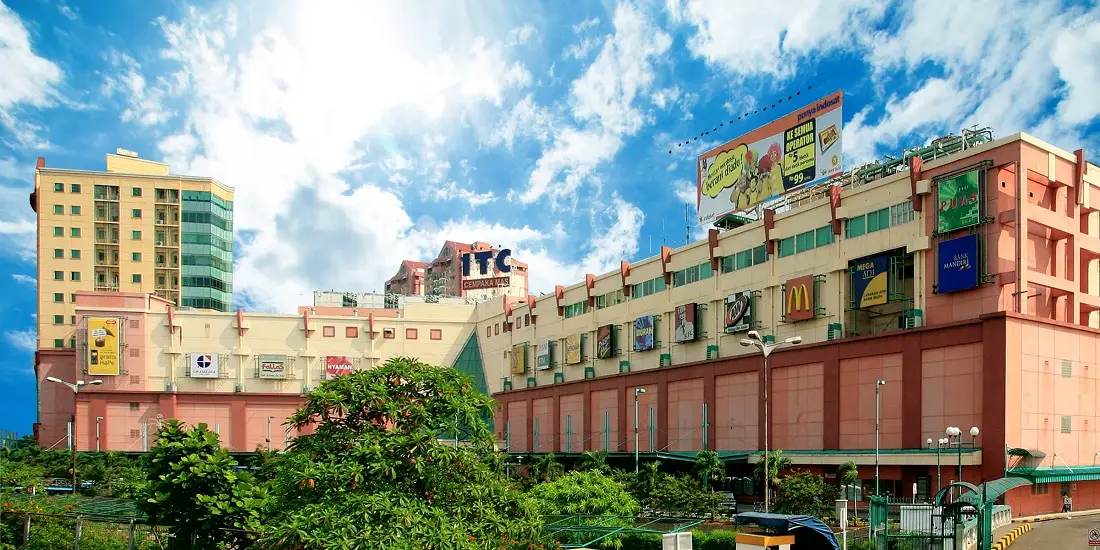
A CBD or business cluster is where corporate offices, major commercial activity, and premium amenities concentrate. These areas tend to feel modern and structured, and that shapes convenience during the day. A common confusion is thinking business zones are “only for work,” when they can also be where luxury shopping and certain nightlife options happen, simply with a different pace than residential areas.
Expat-style enclave
An expat-style enclave is an area that attracts long-term international residents, often because it supports a comfortable lifestyle with trendy dining, social spots, and an easy-to-navigate atmosphere for newcomers. The key nuance is that it may not look like a traditional “city center,” yet it still feels like a self-contained base. People often overestimate how “everywhere else” will match that convenience, so it helps to treat the enclave as a home base, not the whole trip.
Tourism and heritage zone
A tourism and heritage zone focuses on preserved history, memorable streetscapes, and attractions that draw visitors. The vibe here is often more atmospheric and exploratory, which changes how you spend your time compared to business or residential neighborhoods. If you choose a heritage zone as your only base, plan around that sightseeing-first rhythm, because the everyday local life may feel different from what you expect.
Once you understand these neighborhood types, the next question becomes clearer: how does your choice of area line up with what you actually want to do, and what tradeoffs you are willing to accept
Why your area matters more than you think
Map distance vs real commute time
If you are planning based on “it looks close on the map,” Jakarta can humble you fast. Traffic turns commute time into the real measure of location, so your schedule may feel constantly delayed when your base is far from the things you’ll do most. Even moving between neighborhoods during rush hour can cost roughly an hour each way, which quickly turns “a simple trip” into a tiring day.
The practical takeaway is simple: where you stay determines how often you feel rushed or exhausted. Pick a base that reduces cross-city trips, and your days feel smoother even if the city around you is still busy.
Right vibe vs right location
It is easy to fall in love with a neighborhood vibe, then realize it is the wrong fit for your actual routine. History and heritage zones feel exploratory and atmospheric, while corporate districts like SCBD/Sudirman-Thamrin feel modern and premium, and nightlife-oriented areas feel energetic after dark. If you choose “the cool place” but you spend most of your day elsewhere, you pay for it in time and stress.
Choose the vibe that matches your itinerary goals, then make sure it is close enough to reduce peak-hour travel. That combination is what makes a neighborhood selection feel like a win, not a compromise.
Now that you understand why this matters, you can use the “feel” of each area to pick a base, then move into the neighborhood walkthrough.
Jakarta neighborhoods, what each one feels like
Kota Tua, Old Town history and atmosphere
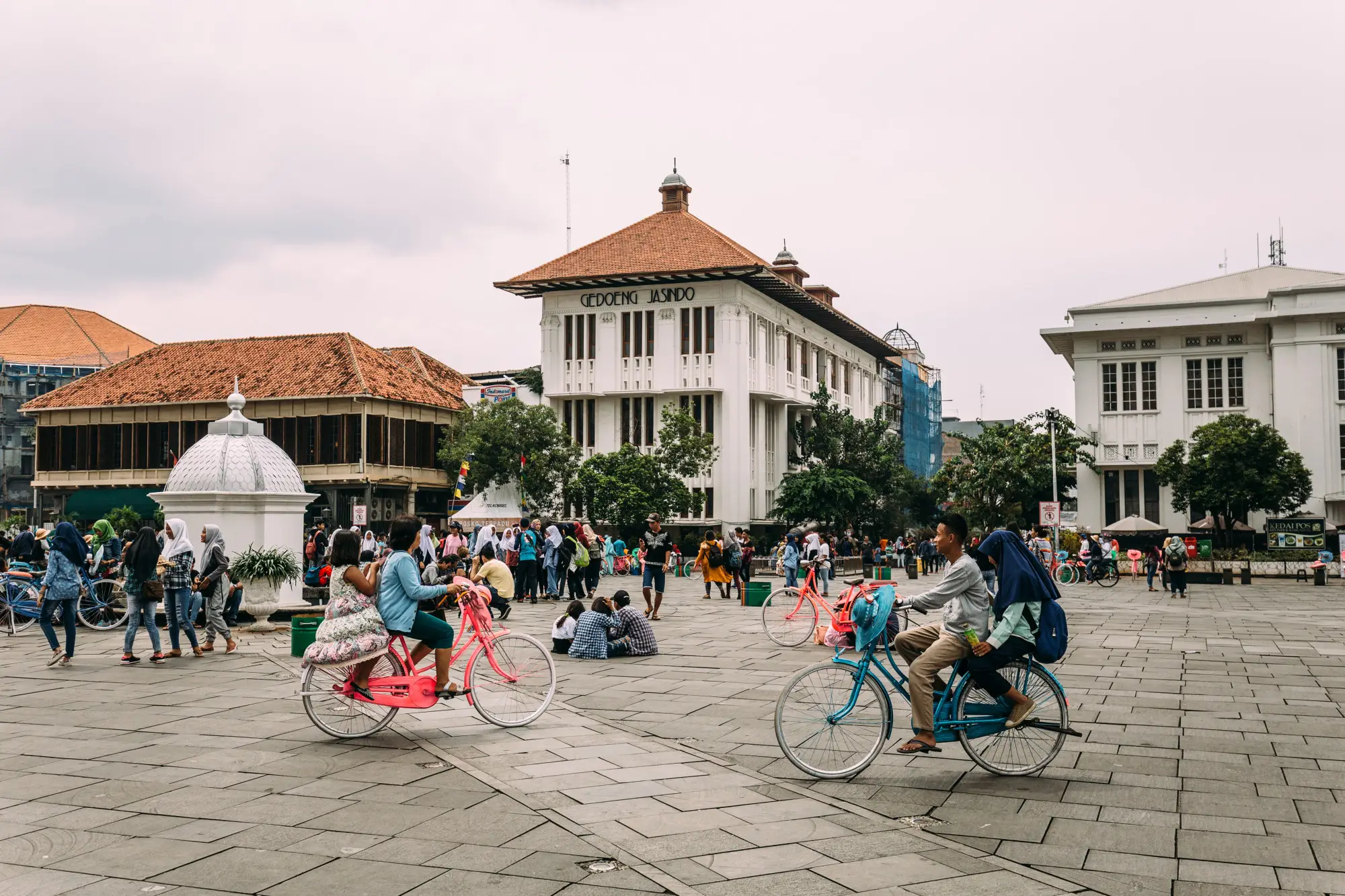
You might think Old Town is only for quick photos, but Kota Tua is really for slow wandering. You get a historic, atmospheric, touristy feel, with the sense of Dutch-colonial heritage in the streets and sights. Expect history lovers and photographers to feel at home here.
This is best for travelers who want museums, heritage buildings, and that “old Jakarta” mood as a base. If your plan is to explore on foot and soak up the stories, Kota Tua fits naturally.
Kemang, trendy expat life with nightlife
If you expect Jakarta to be all business, Kemang will surprise you. It feels like an expat enclave with trendy, international dining and an active nightlife scene. The vibe is social, and it is easy to keep plans going from one meal to the next.
Stay here if you want a lively base, with plenty of cafes, restaurants, and a fashionable crowd. Kemang is a smart match for longer stays when you want comfort plus energy.
Menteng, elegant and quietly central
Sometimes the “best location” is not the loudest one, and Menteng is a good example. It feels elegant and residential, but still central enough to be convenient. You notice the calmer pace first, which makes it feel comfortable for resting and regrouping.
This area suits travelers who prefer quiet over chaos, especially long-term visitors. It is a strong pick when you want a refined stay without giving up access to the rest of the city.
Glodok, Chinatown chaos and authentic food
You might assume Chinatown vibes will be polished and orderly, but Glodok is famously busy. It feels vibrant and chaotic, with strong Chinese-Indonesian culture in everyday market life. The first thing you notice is the intensity of the streets and the abundance of food and shops.
Glodok is best for food lovers who want authentic experiences through browsing, eating, and exploring. If your itinerary is culture plus markets, this neighborhood delivers.
Sudirman/Thamrin (SCBD), modern luxury energy
Most travelers associate SCBD with offices, but it actually defines the modern, upscale side of Jakarta. Sudirman and Thamrin feel corporate, international, and premium, with luxury shopping and a city-night buzz. Even your day planning changes when your neighborhood is built around business life.
This is ideal for business travelers and anyone who wants premium amenities nearby. Pick SCBD when you want modern convenience and an upscale atmosphere as your default.
Kampong-style areas, local village rhythm
Kampong-style areas can be mistaken as “just where locals live,” but the difference is the daily rhythm. These neighborhoods feel like village-like communities inside the city, with everyday local services and street-level life. You notice how daily needs are handled close by, not through big, destination-style shopping.
This fits travelers who want local texture and authentic daily life rather than a fully international bubble. Expect a more community-driven feel, with practical convenience for everyday routines.
Knowing the vibe is only half the job. Next, you still need a simple way to choose your base, so the traffic and daily rhythm work in your favor.
Kota Tua, the Old Town experience
Picture your morning in Kota Tua, drifting from street to street with your camera, then spending your afternoons inside museums or around restored buildings.
That “Old Town” feeling is historic and atmospheric, with a touristy vibe by Indonesian standards. The colonial-era background shapes the streetscapes and makes the area feel like a living reminder of Old Batavia and its Dutch-colonial roots.
If you want a base for history and photos, this is a strong match. Kota Tua works best for travelers who enjoy walk-and-explore days, museum time, and heritage wandering, instead of a nightlife-first routine.
After you get your history fix here, the next area shifts toward a more social, nightlife-forward lifestyle.
After a long day, you do not want to bounce between places just to keep the evening going. Kemang makes that easy, because the area’s energy is built around social time, not short errands.
You can start with trendy cafes, keep rolling into dinner with an international food scene, then stay out for nightlife without changing zones every hour. That is why Kemang feels like an expat enclave in practice, not just a trendy stop on a map.
It also works well as a longer-stay choice for people who want comfort plus momentum. If you like having a lively base, Kemang is a strong fit for your routine.
From there, the guide moves to a calmer, quieter central option in Menteng.
Menteng, elegant and quietly central
Menteng is a strong choice when you want a refined, residential neighborhood that still feels central. The atmosphere is quieter, and the stay can feel more relaxed day to day, which works especially well for long-term visitors.
In exchange, you will not get the same nonstop “chaotic adventure” energy you might chase in Chinatown or the party-oriented vibe you would find in Kemang. If you love calm over buzz, that tradeoff is exactly what makes Menteng feel so comfortable.
Next, the guide turns to Glodok for a totally different sensory experience.
Glodok, Chinatown energy and authentic food
You might think Chinatown would feel tidy and calm, but Glodok is vibrant and chaotic. The culture feels authentically Chinese-Indonesian, and the streets are packed with dense markets and stores that pull you into the action.
Because of that, Glodok is a great food-first base. You get street-level immersion through browsing, eating, and exploring in the same busy environment.
After Glodok’s sensory, market-driven energy, SCBD around Sudirman and Thamrin feels totally different, more modern and corporate.
Sudirman/Thamrin (SCBD), corporate modernity
SCBD is where Jakarta feels modern, corporate, and upscale.
What SCBD feels like
SCBD (Sudirman-Thamrin) has a modern, corporate, upscale vibe with international-style amenities nearby. The atmosphere is polished and business-focused, so your day naturally moves with that rhythm.
Why it’s useful for travelers
That setup fits business travelers who want convenience, plus premium shopping seekers who like having luxury options close by. Many people also associate the area with nightlife energy, so evenings can stay lively without major changes of zone.
Best fit
If you want corporate access and a cluster of premium amenities as your default, SCBD is the strong match.
Kampong-style areas and what “local” means
What does kampong mean day to day? In practical terms, it is a village-like community within the city where local everyday services and street-level routines are part of normal life.
Will it feel less international? Usually, yes in the sense that you may find fewer international-style conveniences, but you get a stronger local rhythm and more close-up street life.
With that in mind, the next step is choosing your exact base using a simple, practical workflow.
How to pick your base without regret
1. Define your trip goal first
Start with what you want most: history and museums, business and corporate areas, nightlife and food, or a calmer residential stay. Your goal is the filter that tells you which neighborhood “types” will feel right.
Once that is clear, everything else gets easier because you are no longer guessing what to prioritize on a crowded itinerary.
2. Choose proximity to what you do most
Next, decide what takes most of your time each day, then pick a base near it. Proximity matters more than it sounds because Jakarta’s traffic makes distance feel bigger than the map suggests.
If most of your plans are in one zone, sleeping too far away turns routine errands into long detours.
3. Check transport reality and traffic
Before you book, verify how you will move: MRT, rail, and TransJakarta paired with ride-hailing are common tools. When you hit congestion, moto-taxis can be a time-saving option for shorter-to-medium trips.
The big idea is that traffic-aware planning reduces wasted hours, especially when you are tempted to hop between areas during rush hour.
4. Pick one base or split time wisely
Now decide if one neighborhood base is enough, or if you want to split your stay between two or three areas. If you do split, account for rush-hour time loss, because switching during peak times adds fatigue to the trip.
With a realistic plan, you can get variety without paying for it every single day.
Even a good neighborhood can be chosen badly, so the next step is spotting common mistakes and misconceptions before you commit.
If you want a practical match between your neighborhood vibe and daily schedule, talk through options with https://ashleyhotelgroup.com before you finalize your stay.
What to watch out for in neighborhood choice
Jakarta is one uniform sprawl
Here’s the twist: Jakarta feels huge, but it is not one identical blur. Neighborhoods differ in vibe and daily rhythm, so choosing “anywhere central” can still lead to an unpleasant stay.
If you ignore neighborhood identity, you waste time chasing the wrong experiences. The so what is simple: match character to your plans, not just the label on a map.
All neighborhoods are equally modern
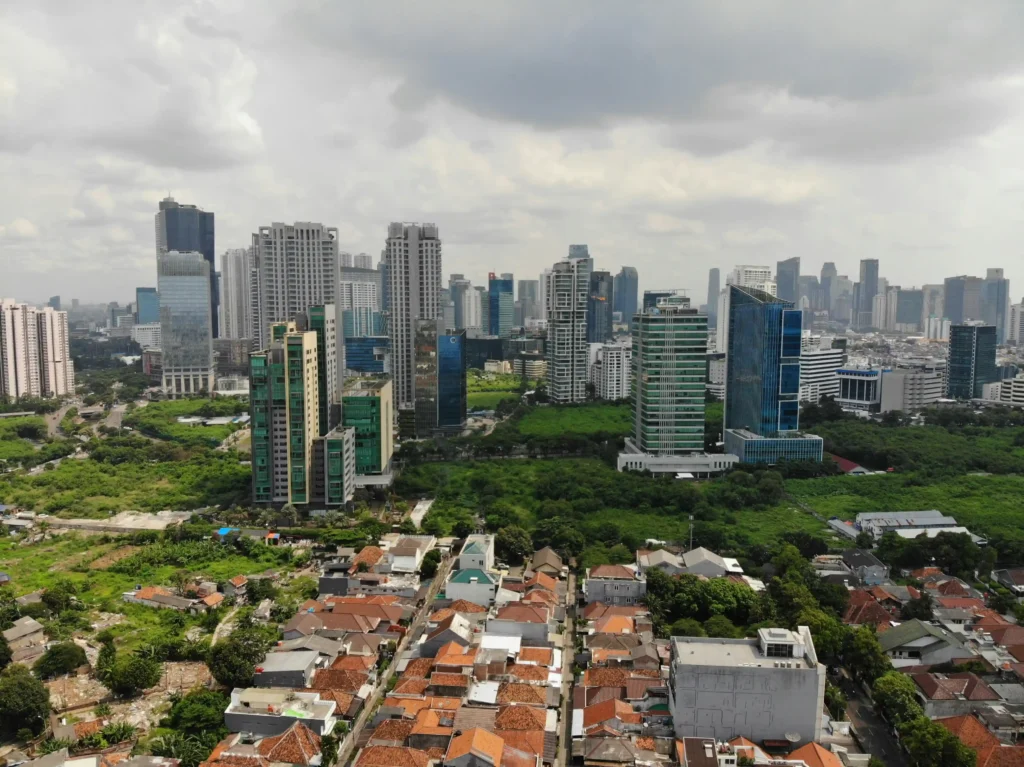
It sounds logical to assume the skyline means everything is equally polished. In reality, modern corporate areas and older kampong-style communities can sit side by side, with very different comfort and convenience.
When expectations are off, you may end up disappointed or stressed. Plan for contrasts, and your first day won’t feel like a surprise.
Public transport is basically useless
That assumption breaks down because Jakarta has major public options like MRT, rail, and TransJakarta. They can help, especially if your base sits near them.
Still, traffic is the wildcard. Use a mix of public transport and ride-hailing, including moto-taxis when roads get congested, so you do not lose hours by guesswork.
Safety is the same everywhere
The real issue isn’t safety everywhere; it’s context. Some areas feel better lit and more populated, while quiet zones can feel different at night.
If you treat every street the same, you might take avoidable risks. Use general common-sense caution based on time and foot traffic, and the trip stays easier.
Jakarta has no green or outdoor options
That belief misses what “outdoor” can mean in a dense city. Some neighborhoods still feel surprisingly greener or naturally outdoorsy.
When you assume there is nothing green at all, you stop looking for quiet stretches and park-like moments. Keep an open mind, and you will find more variety than you expected.
You must go far for authentic local life
Most people assume authenticity only lives far outside the center. But local experiences are often right in the city, especially in food and market-focused areas like Glodok or in kampong-style neighborhoods.
If you chase authenticity by distance alone, you miss the best street-level culture. Pick a local-feeling base, then explore from there.
When you avoid these traps, you can match area to itinerary and pick a home base that actually fits your daily routine.
Your next step: match area to itinerary
Pick your primary goal
Start by deciding what you want most, whether it is history, business, nightlife and food, or a calmer residential stay.
Choose a home base that fits
Match your base to that goal so your daily routine feels natural and not like constant relocation.
Sanity-check commute time with traffic
Keep traffic in mind when you estimate how long it will take to move around Jakarta.
Plan a transport mix
Combine MRT, rail, and TransJakarta with ride-hailing, and use moto-taxis when congestion makes cars slow.
Use neighborhood vibes to guide exploration
Decide what to do on foot versus by car or ride-hailing based on each area’s “feel,” from Old Town wandering to corporate-style zones.
Allow flexibility
Traffic and plans change, so leave space for the neighborhood vibe you discover in real life.
Ready to lock in the right stay base for your Jakarta itinerary? Tim https://ashleyhotelgroup.com is ready to help you match area, schedule, and comfort, so contact them today.
Once you do this, your days in Jakarta will feel simpler and more fun.