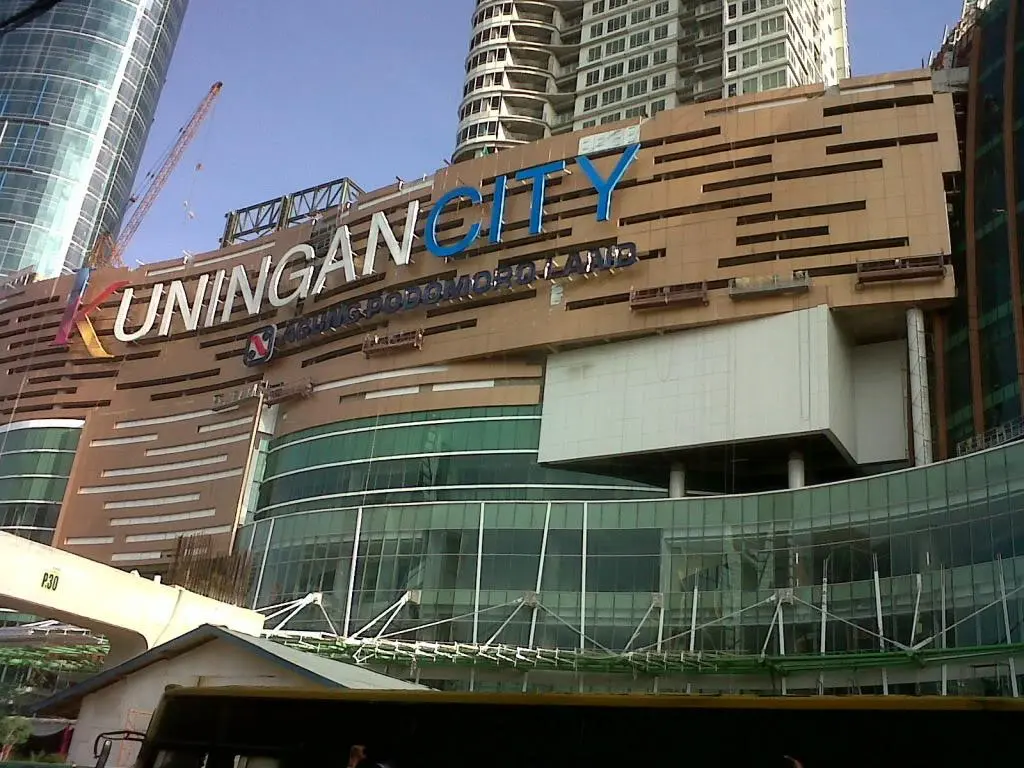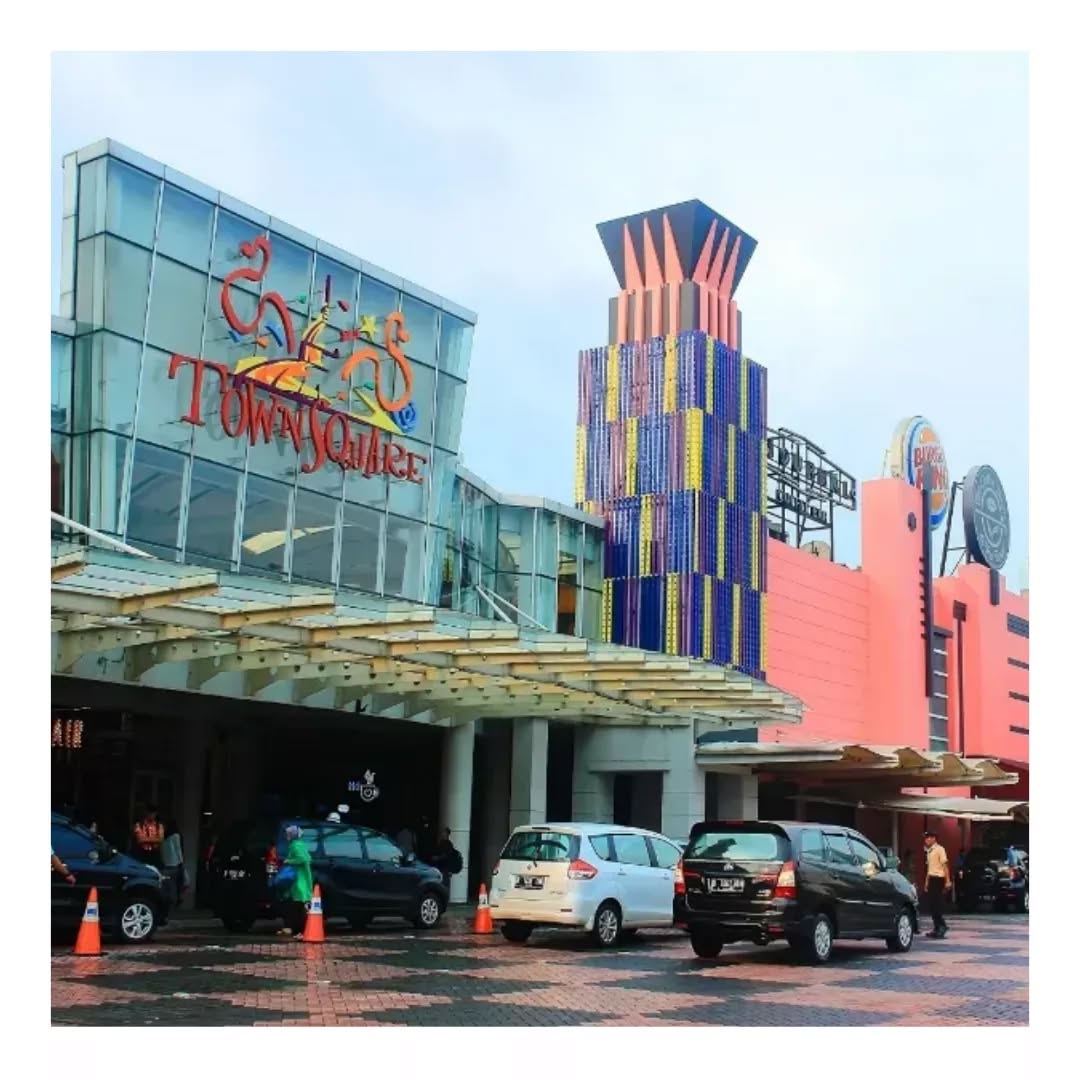

Picture this: you step outside in South Jakarta with an umbrella, and five minutes later the rain decides to get serious. Your plans suddenly feel flimsy, and every trip you had in mind now depends on timing and traffic, not just interest. That’s the real problem rainy days create here, especially when getting around Jakarta gets slower the moment roads get wet.
The good news is that you do not have to “do nothing” just because the weather changed. In South Jakarta, rainy day fun usually moves indoors, where venues are built to keep the day going even when clouds won’t cooperate. That indoor-first shift is the backbone of this guide, because it keeps your day comfortable and predictable.
This article is not going to dump a random list of places on you. Instead, we’ll use a simple way to choose what to do based on your mood, your group, and your logistics. That means you can avoid the common frustration of feeling overwhelmed, not sure what fits, or guessing whether a plan is realistic when it’s raining.
Before we start picking ideas, we’ll do three quick things in order. First, we’ll define what counts as a rainy-day activity in this context. Then we’ll explain why planning matters so much in Jakarta. After that, we’ll walk through how rainy day plans work in real life, and finish with practical steps, likely pitfalls, and a small system you can reuse next time rain shows up.
Once you have that definition locked in, choosing the right indoor plan gets a lot easier, because you’ll know exactly what “good” looks like for South Jakarta rainy days.
Next, we’ll define what counts as a good plan
That’s where the real clarity starts, and it sets you up for everything else in the guide.
If you want to map rainy-day options more smoothly, the team at ashleyhotelgroup.com can help you think through the day with better structure and realistic timing.
What counts as a rainy-day activity here?
What “weather-proof plans” means
A rainy-day activity, in this guide, means a plan that keeps working even when the weather changes. It is not only about staying dry. It is also about avoiding the “half-working day” feeling, where you have to rush between uncovered spots, or keep pausing because timing is ruined.
One common confusion is thinking weather-proof equals “indoor-only.” In practice, it can be partially covered. The key is that your experience stays stable enough that rain does not control your whole schedule.
Why indoor venues dominate in Jakarta
South Jakarta, like the rest of Jakarta, often shifts outdoors plans into enclosed spaces during heavy rain. The goal is comfort and reliability, because frequent downpours can make walking unpleasant and can add extra friction to movement.
Another nuance is that this is not a “rainy season hobby.” It is simply how people keep daily life going. When the rain hits, shopping malls, cinemas, entertainment centers, and other indoor spots become the default places to meet, unwind, and do activities.
What the “mall ecosystem” approach is
The “mall ecosystem” approach is the idea of treating a big integrated complex as your base for the day. Instead of hopping across multiple locations, you stack activities in one place: entertainment, dining, and downtime, all within a weather-protected environment.
This helps with the biggest rainy-day pain point: decision fatigue. Many people feel overwhelmed because there are too many options and too many unknowns. An integrated hub reduces that mental load, because it gives you many outcomes in one area.
Accessibility during rain matters
Accessibility during rain is about how easily you can reach your chosen indoor destination, especially when traffic and last-mile travel get harder. South Jakarta plans work best when the route to your venue is practical, not just “technically possible.”
A common mix-up is assuming that because a place is indoor, getting there stops being an issue. It does not. If you underestimate travel time or localized delays, even a perfect indoor plan can fall apart.
Now that the definition is clear, the next question is simple: why should you care enough to plan this way in the first place. That answer is where stress, wasted travel, and disappointment start to disappear.
Why it matters more than you think
Adequately vs well planning
Good rainy-day planning changes the day, not just the forecast. If you plan adequately, you only pick something indoor. If you plan well, you choose an experience that fits your group and keeps your schedule steady.
That “well” approach cuts the small annoyances that add up, like moving too often, guessing opening times, or ending up with a crowded backup. In South Jakarta, this is especially important because traffic friction can turn uncertainty into stress.
Indoor for fun vs indoor for logistics
Indoor options can be fun, but they can also be practical. When your plan is logistics-first, you pick places that reduce travel moves, so rain does not keep rewriting your route.
For example, imagine arriving at your first stop and realizing you still need to change locations twice. A fun indoor choice is great, but a logistics-friendly chain of indoor activities keeps your day calmer and more predictable.
Convenience-first vs purpose-first
Choosing purely for convenience sounds easy, yet it often leads to overwhelm when there are too many choices and you still do not know what you want. Purpose-first planning narrows the decision by mood and intent, so you can pick faster.
On a rainy afternoon, this might look like deciding, “We want comfort and downtime,” then selecting activities that match. The result is less second-guessing and fewer wasted trips, because your plan actually has a direction.
Once you see why planning pays off, the next step is to understand how rainy-day plans work in real life, with a simple workflow you can reuse.
How rainy-day plans really work
Check conditions and timing
Nothing kills a rainy-day vibe faster than realizing too late that the rain is heavier than expected. Start by doing a quick weather check, then focus on timing, not just the day.
In Jakarta, storms can shift quickly, and traffic friction usually rises with the rain. A small delay can snowball, so decide whether you need an earlier start or more buffer time before you leave.
Pick an indoor anchor
Your first decision should create stability. Choose an “anchor” indoor activity that fits your group and your mood, like a cultural stop for curiosity or an active indoor option for energy.
Then plan your selection based on who you’re with. Families often want enclosed, age-friendly entertainment. Solo plans lean well toward cinemas, workshops, or a calm cafe session that still feels like an activity.
Plan logistics for rain-traffic
Next, make transportation part of the plan, not an afterthought. Logistics planning means thinking about how you’ll get there when roads are wet, pedestrian routes feel risky, and congestion can stretch travel time.
Many people rely on ride-hailing for door-to-door convenience, and it helps to consider booking ahead for anything popular. A common pitfall is assuming “it’s indoors” means the trip will be easy and predictable.
Execute with flexibility
When you arrive, stay ready to adapt. Execution with flexibility means you do not cling to a rigid schedule if crowds swell or weather intensifies again.
If you notice a bottleneck, switch the order of stops or choose the next indoor option in the same area. This prevents the day from turning into repeated, stressful “where do we go now” moments.
Use the mall ecosystem when it helps
The “mall ecosystem” idea is simple: treat one integrated complex as your base so you can chain dining, entertainment, and downtime without constant moving. This is a practical way to reduce the number of transitions during rainy weather.
It also helps with the event-cancellation ripple effect. When one plan shifts or ends early, crowds often redirect to nearby indoor options, so staying within one hub can keep the day smoother.
Once you understand the workflow, you can switch from the mental model to practical pre-day and on-day actions for your specific South Jakarta plan.
For a more comfortable stay while you follow an indoor-first plan, explore what ashleyhotelgroup.com offers and build your rainy-day itinerary with less uncertainty.
How to plan your South Jakarta rainy day
Before you go: logistics and reservations
Are you leaving without checking travel time, then getting stuck when rain hits harder than expected? That’s exactly where planning saves you.
Start with logistics planning and build buffers into your schedule, because rain can worsen traffic and make last-mile travel feel longer. If your plan depends on something popular, expect it can be fully booked on weekends, even when everyone is already indoors.
- Check conditions and timing before you commit
- Plan for extra travel time due to rain-traffic
- Reserve anything popular, especially on weekends
- Prefer ride-hailing if walking routes feel risky
On the day: chaining activities without stress
When your first choice changes, the whole day can wobble unless your order makes sense. Chaining activities is how you keep momentum.
Pick one indoor anchor, then pair it with a second indoor follow-up like food or another indoor stop. This also protects you from the event-cancellation ripple effect, where crowds shift to nearby indoor options and wait times rise.
- Choose one anchor activity for stability
- Add one flexible indoor follow-up nearby
- Switch order if crowds surge
- Keep buffer time between stops
Protect your day: rainy-day kit essentials
A good rainy-day kit is not about being dramatic. It’s about removing tiny obstacles that ruin the flow.
Carry basics like protection for wet items and plan for phone dependence during rain. An extra phone battery helps because you’ll use apps more for navigation, timing, and getting updates while you’re relying on transport during downpours.
- Bring a way to protect wet items during transit
- Keep extra phone battery for app-heavy planning
- Expect you may get partially wet, plan a reset
- Consider simple comfort changes if needed
Keep a backup plan ready
Even the best plan can get derailed by localized delays or sudden crowd shifts. A backup plan keeps you from starting from zero.
Think in terms of “same area, different indoor option,” because knowing your routes and having a nearby alternative is more reliable than trying to cross the city at the peak of rain.
- Identify one backup indoor option before you leave
- Know which routes are prone to delays
- Swap to the backup when crowds or timing break
- Keep decisions flexible, not frantic
Once you’ve set up your plan like this, the next hurdle is knowing what people often get wrong on rainy days, so you can avoid those mistakes before they cost you time.
What to watch out for on rainy days
Rainy day means nothing to do
Thinking rain automatically kills your options is tempting. Yet South Jakarta still offers plenty of indoor choices, especially where activities are already built for enclosed spaces.
If you assume there is “nothing,” you skip planning, and you end up with a rushed backup plan later when crowds gather indoors.
Indoor activities are only for tourists
Here’s the misconception: indoor venues are “less authentic,” so locals must avoid them. In reality, people use malls, cinemas, and indoor entertainment during rain because it keeps schedules comfortable and predictable.
When you treat indoor plans as an emergency only, you miss the best timing and the smoothest flow that locals already rely on.
Traffic is so bad you shouldn’t go out
Traffic can feel worse in rain, and that fear is real. Still, the solution is not staying home. It’s logistics planning with buffers and better route choices.
If you refuse to go out at all, you lose the chance to enjoy an indoor day with minimal disruption and fewer forced decisions.
Everything indoors is expensive
Not every indoor option is a premium ticket. Many rainy-day moments can be affordable, especially when you build a plan around free browsing, low-cost time blocks, or simple activities that do not require high entry fees.
Believing “everything costs” often leads people to choose a single, overpriced fallback instead of a balanced day.
South Jakarta lacks unique indoor options
It’s easy to judge based on where the biggest headline attractions sit. But South Jakarta’s rainy-day strength is its integrated lifestyle setup, where dining and entertainment cluster in one area.
When you dismiss the area too early, you end up traveling farther than needed, just to find the “same kind of indoor plan” elsewhere.
You can always walk in
On weekends and peak times, “walk in” plans fail more often than you’d expect. Popular indoor experiences can get fully booked regardless of the rain.
If you gamble without reserving, you may waste a trip waiting, then scramble to replace your plan when everything nearby turns crowded.
Real-time transport updates will save you every time
Real-time information helps, but it is not magic. During heavy weather, delays and disruption can change faster than updates, and localized delays can still surprise you.
If you rely on it blindly, you might pick routes that look fine online but feel slow on the ground, especially during sudden rain intensity shifts.
Localized flooding is a rare edge case
Flooding and route delays are not just dramatic outliers. Some areas can become harder to reach quickly, even when most major routes seem manageable.
If you ignore this, your perfectly planned indoor day can collapse just because one “small” route segment becomes unreliable.
Once you know these traps, the next move is to stay adaptable, so your plan keeps working even when the day changes again with unexpected crowd shifts or pop-up events.
What to do next after you pick ideas
Imagine this: it starts raining harder, the first indoor plan gets crowded fast, and you still want a full afternoon without scrambling
Update your plan while you travel
As you move, keep checking what the day is doing, not just what you planned earlier. Flexibility means you can adjust the order of stops, or switch to a nearby option if timing breaks.
When rain intensity changes, crowd patterns change too. If you feel the day slowing down, do not push through with the same route and hope it improves.
Look for temporary indoor events and pop-ups
Sometimes the best upgrade is not a totally new plan. Temporary indoor events and pop-ups can absorb the crowd shift from canceled or delayed activities.
Keep your shortlist by category and by location cluster, so you can swap smoothly. This works well because South Jakarta’s indoor hubs tend to be close enough that you are not reinventing your entire afternoon.
Keep your system for next time
After the day settles, the biggest win is learning how your process performed. Keep notes in your head: which decision made you feel calm, and which part created stress.
Next time, you can reuse the same workflow idea: build a shortlist, pick an anchor first, plan logistics early, and always have one backup ready for the moments when crowds ripple unexpectedly.
With that in place, you’ll get the big outcome this guide is aiming for: a rainy day can still be a great day in South Jakarta when you stay indoor-first and flexible.
Rainy day can still be a great day in South Jakarta
“The point isn’t fighting the weather. It’s using the city’s indoor strength to keep your day moving.”
You already know the logic now: choose well, keep logistics in mind, and avoid the common traps. When you start indoors-first and plan with purpose, rainy days feel less unpredictable.
Less stress comes from smart scheduling and realistic travel time. Better experience happens when your plan matches your group and mood. Smart flexibility keeps you calm when crowds shift or the rain gets heavier.
If you want a smoother rainy-day plan with realistic logistics, the team at ashleyhotelgroup.com is ready to help you map the right steps.
Next time the sky opens up, use this approach again and you’ll know you can make it a solid day, no matter how the weather behaves.