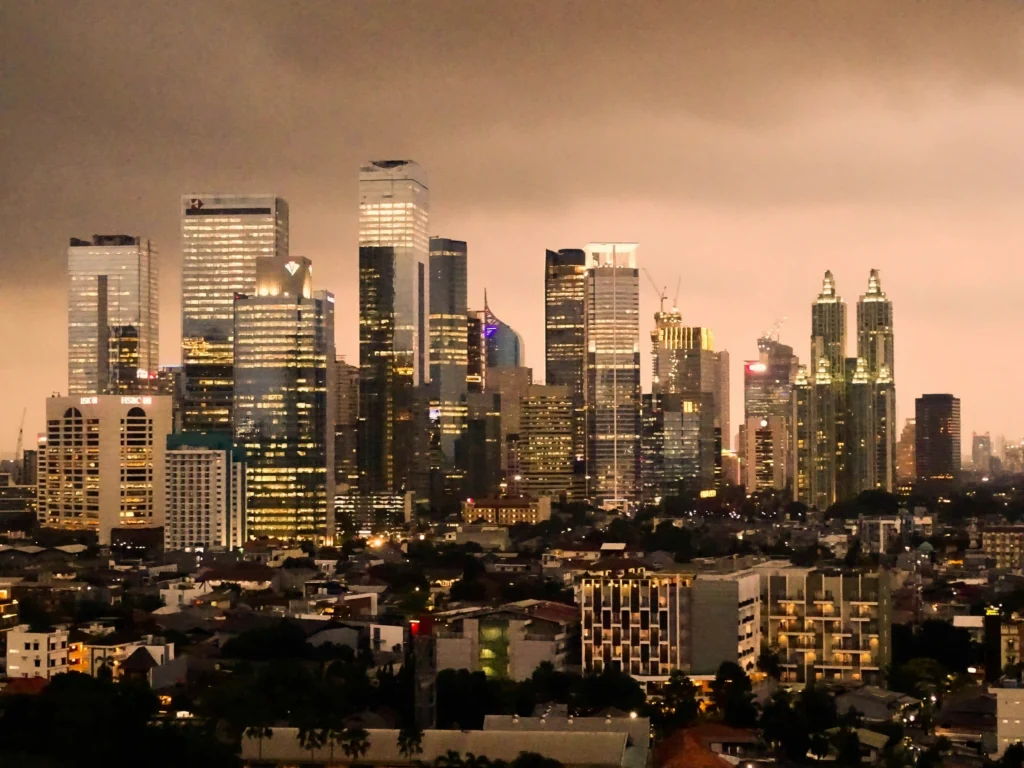
South Jakarta does feel a bit more “organized” than some other parts of Jakarta, especially in the way certain areas are set up for dining, work, and getting around. Still, the big Jakarta reality stays the same. You will plan around congestion, you will plan around the weather, and you will plan around the fact that moving smoothly is part of enjoying your stay.
This article is your practical, decision-based guide to staying in South Jakarta without guesswork. You will learn how to choose where to base yourself, how to move reliably day to day, what budgeting realities to expect, and which comfort and safety habits prevent small issues from turning into big headaches.
To make it easy, the ideas come in a logical order. First, you pick the right neighborhood base, like Kemang, Kebayoran Baru, Mega Kuningan, or Pondok Indah. Next, you set a transport plan that works for rush hours and rainy days.
Then you budget realistically using the price anchors you’ll see in the report, from accommodation ranges to everyday costs. Finally, you avoid the common mistakes that usually trip people up, like walking too much, trusting tap water, or relying on just one transport option.
Start with the real meaning of “staying in South Jakarta” on the ground, because different areas truly feel like different worlds. Once that clicks, the next step is understanding those neighborhood vibes clearly.
If you want a tailored plan for your stay, consider discussing your schedule and booking options with our team or you can book your stay directly through our website.
What “staying in South Jakarta” really means
You chose your lodging based on map distance and felt pretty confident about the location. Then day one happened. A meeting that looked “nearby” stretched into hours because traffic, heat, and sudden rain turned every transfer into a bigger time sink than you planned for, and you also found the neighborhood vibe didn’t match your daily rhythm.
In the same way a city can feel different block by block, South Jakarta works like a set of mini-neighborhoods that each run on their own pace. That’s why your base choice matters as much as where you want to go. Once you understand this, staying becomes less about chasing places and more about matching your life to the right area.
South Jakarta’s mini-neighborhoods
Think of Kemang as the place where social life pulls you forward. If you want casual bars, live music energy, and a more relaxed expat and visitor vibe, Kemang tends to make evenings easier because you spend less time traveling for the fun part.
Now compare that with Kebayoran Baru, which is often more aligned with polished dining and a more upscale feel. If your days are about nicer dinners, a quieter but still lively night scene, or hosting clients, the neighborhood fit reduces friction and helps your schedule feel smoother.
For business-focused routines, Mega Kuningan often suits travelers who need easy access to corporate areas and the kind of convenience that supports a tight timetable. Meanwhile, Pondok Indah leans more residential and family-friendly, which can make daily errands and a calmer pace feel more natural.
Timing matters more than distance
Here’s the core model: timing beats distance because travel-time variability is the real problem in Jakarta. Even if two places are close on a map, rush hours can stretch the journey and make you miss the rest of your day’s plan.
So instead of asking, “How far is it?” you should start asking, “When is it?” That small shift changes everything: you can plan key trips around the heavy windows on weekdays, and you can build routes that still work when rain shows up and disrupts movement. When your neighborhood fit and your timing match, the city stops feeling like it’s working against you.
Once you understand what staying in South Jakarta really means, the next question is why planning ahead saves money, stress, and time. That’s the next layer.
Why South Jakarta planning pays off
Planning in South Jakarta is what turns a stressful stay into a predictable one.
Pros of planning before you go
When you build your days around Jakarta’s rush hours, you lose less time to traffic and arrive less drained. Planning also helps you avoid the most disruptive travel windows on weekdays, so meetings, dinners, and errands stop competing with delays.
It also protects your budget. By using realistic price anchors for accommodation and everyday costs, you’re less likely to overspend on convenience. Finally, small comfort habits like sticking to purified water, managing the heat, and preparing for wet-season downpours make you feel better day to day and safer in practice.
What goes wrong without planning
Skip the plan and the first thing you feel is time. You get trapped in traffic, and the schedule you built collapses, especially when you’re traveling during peak periods or when sudden rain hits and movement slows down.
Money and comfort suffer next. Without budgeting for South Jakarta’s realistic expense levels, costs creep up fast, and you may end up paying more for last-minute choices. On top of that, basic slip-ups like drinking tap water or arriving unprepared for heat and rain can turn a minor inconvenience into a real problem.
In short, the benefits come from a system, not guesswork, and that’s exactly what you’ll use on day one next.
How to get it right day one
Right before you leave your hotel or apartment on day one, remember this: Jakarta traffic can turn a “quick” trip into a time-drainer if you don’t plan it first.
Choose your base neighborhood
Start by matching your lodging to your daily purpose, not just to what looks close. If your evenings are meant for a social scene, areas like Kemang can reduce travel friction because dining and nightlife are part of the neighborhood rhythm.
For a more polished food-and-night vibe, Kebayoran Baru can fit better. If your days are business-heavy, Mega Kuningan often supports a tighter schedule, while Pondok Indah can feel more grounded for a calmer residential pace.
Make the choice concrete by asking yourself what you’ll do most often: meeting, eating out, relaxing, or running errands. Your answer should point you to the neighborhood that minimizes “extra time in between.”
Build a transport strategy
Now plan how you will move, because Jakarta’s travel experience is built on flexibility. Use ride-hailing for door-to-door convenience when you need to reduce walking and handle unpredictable timing, especially when weather changes.
That said, don’t rely on only one mode. In practice, a multi-modal approach works best: use MRT and TransJakarta to move more efficiently on the right corridors, then use ride-hailing for the gaps that don’t match the rail or bus network.
Schedule your “must-not-be-late” trips around rush hours, typically 7-9 AM and 4-6 PM on weekdays. If you must travel during those windows, plan for extra buffer time and keep your route options in mind so you can adapt fast.
Plan around weather and daily comfort
Finally, set up your comfort plan so rain, heat, and hydration don’t derail your day. Dry season (May-September) is generally more comfortable, while wet season (October-April) can bring daily downpours that slow movement and make simple errands suddenly harder.
Hydration is non-negotiable. Stick to purified water and avoid drinking tap water directly, especially when you’re out and about using transport that can’t always give you quick, easy stops.
That’s why day one planning should include small “backup” thinking: if it rains, your schedule needs flexibility, and if it’s hot, you need hydration ready. Once those basics are handled, your neighborhood and transport plan can actually work for you.
When your day-to-day setup is in place, the next focus becomes real-world numbers and practical logistics, so budgeting and essentials feel straightforward instead of stressful.
What to expect from costs and logistics
Accommodation price anchors
The fastest way to overspend in South Jakarta is to budget using “guess prices.” Start with clear anchors: hostel dorm beds often begin around 130,000 IDR per night, three-star rooms around 500,000 IDR, and Airbnb studios around 400,000 IDR per night. Once you know these ranges, you can judge whether a deal is actually realistic.
Use the numbers like a filter. If a place is far above your target tier, you’re likely paying for convenience, location, or extra comfort. That’s not bad, but it should be a choice, not an accident after a long day in traffic.
Everyday spending quick checks
Plan for day-to-day life with simple cost expectations. A meal for two can land around 350,000 IDR, a coffee is often about 20,000 IDR, and a small beer may be around 35,000 IDR. These are the kinds of amounts that quietly add up when you eat out frequently.
Keep in mind that Jakarta can get expensive fast for imported items and drinks. Alcohol especially tends to feel pricey, so it helps to decide your comfort zone early instead of deciding late at night.
Connectivity and water basics
Logistics is mostly about not getting stuck. You’ll need reliable connectivity for ride-hailing and navigation, so plan for a local SIM or Wi-Fi access wherever you stay. That small setup saves you from wasted time searching or second-guessing routes.
Water is the other non-negotiable. Stick to purified water and avoid drinking tap water directly. When you combine that with smart timing and transport planning, your days feel easier even when the weather changes.
With costs and essentials clearer, the next step is protecting yourself from predictable problems people run into. That’s where common mistakes to avoid come in.
Common mistakes to avoid
“Walking everywhere” is the wrong plan
Most people assume Jakarta is walkable, but South Jakarta is not built for long outdoor walking. Sidewalks can be uneven or missing, and the distances between “nearby” spots add up fast.
When you rely on walking, you end up arriving tired, late, or cranky. The fix is simple: treat walking as a local connector, not your main transport strategy.
You can drink tap water without problems
Here’s the surprising part, tap water is not something you should drink directly in Jakarta. People think it’s fine because it looks clean, or because they’ve had no issues elsewhere.
The consequence is predictable. You risk getting sick, which ruins your schedule and your comfort immediately. Stick to purified water to keep your days steady.
All taxis are equally safe and reliable
If you think “a taxi is a taxi,” you might end up with a worse experience than you planned. Not every ride is consistent with what you expect for safety, pricing, or navigation support.
That’s why using more transparent ride options, like reputable transport or ride-hailing apps, matters. It reduces the chance of delays, confusion, and uncomfortable surprises.
Tipping is mandatory in South Jakarta
Some travelers worry they’ll offend people if they don’t tip. In reality, tipping is not universally expected or required.
You can still show appreciation for good service, but don’t treat it like a fixed rule. Over-tipping becomes an easy way to blow your budget for no real payoff.
Jakarta is cheap across the board
Most people assume Indonesia is uniformly budget-friendly, so Jakarta feels like it should be “cheap too.” Then they start paying Jakarta prices for accommodation style, convenience, and imports.
Once you see the numbers, you realize Jakarta can be pricey compared to other destinations. If you don’t plan a realistic budget, overspending sneaks in through everyday decisions.
Traffic is constant, so nothing helps
Traffic feels unavoidable if you travel without timing. Rush hours typically hit hard on weekdays, often 7-9 AM and 4-6 PM, and travel times can swing wildly even for short distances.
Now add rain. During wet-season downpours from October to April, plans can break when movement slows and routes become unpredictable. The fix is resilience, plan ahead, avoid the peak windows when you can, and do not rely on one route or one transport method.
Relying on one transport mode always works
If you bet everything on a single option, you lose flexibility when conditions change. One mode can fail you during rain, peak demand, or when your destination is awkward to access.
That’s why planning should include backups in your mindset and your routes. When your transport strategy is multi-modal, South Jakarta stops feeling like a series of delays.
Once you’ve removed these common traps, you’re ready for the expert-level habits that help you do South Jakarta “well” instead of just getting through it.
Expert moves once you’ve settled
Imagine you’ve been in South Jakarta for a week and you realize you’re still losing time, even though you thought you picked the “right” place. The fix isn’t about finding a new neighborhood. It’s about changing how you move through the day.
How locals optimize time and comfort
Experts prioritize timing over distance, because the same trip can feel harmless at one hour and exhausting at another. They also treat malls like climate-controlled walking hubs, so errands, meals, and casual browsing happen under shade and air conditioning instead of outdoors.
Next, they avoid one-mode dependence. They combine ride-hailing for the door-to-door gaps with MRT and TransJakarta where that actually speeds things up. Finally, they schedule longer outings early or off-peak, and they plan around the “rain trap,” especially during wet-season downpours from October to April when movement can slow down fast.
Do this consistently and you stop coping with the city. Instead, South Jakarta starts to feel like a routine you can trust, not a daily battle.
Once those habits are in place, it’s easier to connect the basics to what you should learn next, including budgeting for real daily logistics and how to navigate Jakarta beyond South Jakarta.
If you want help aligning your stay with your schedule, exploring staying options through our website.
Where to go next with confidence
“Success in travel is less about luck and more about repeatable habits.”
- Choose a base neighborhood that matches your daily rhythm
- Plan transport for rush hours and use multi-modal options
- Budget realistically using the reported cost anchors
- Use purified water and avoid drinking tap water directly
- Stay alert in crowded areas and practice basic personal-safety sense
- Plan around heat and the rain trap when wet-season downpours hit
Once those pillars feel familiar, the next layer is expanding your “Jakarta toolkit” beyond South Jakarta. That means learning broader Jakarta transportation patterns, picking up Indonesian culture and etiquette that smooth daily interactions, and covering longer-stay logistics like healthcare planning and deeper cultural integration.
You now have a solid foundation. With these habits, you can move through South Jakarta with more confidence and less wasted time.
Ready to lock in a smoother South Jakarta plan? Our team is ready to help you align your stay with your goals, timeline, and comfort needs.