
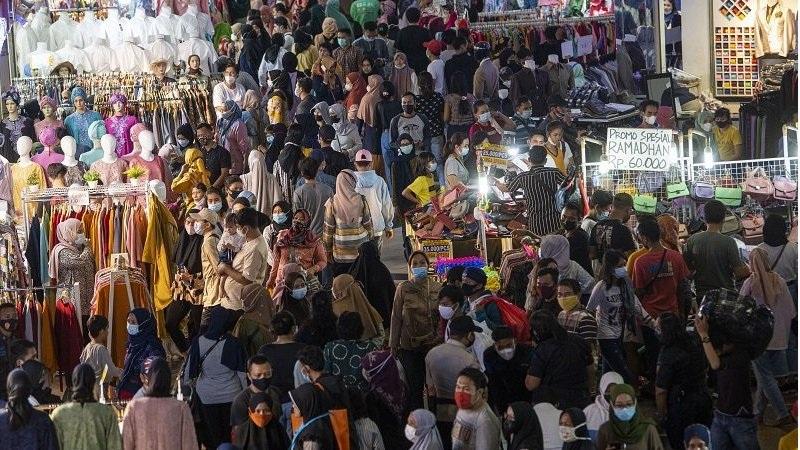
Jakarta is well known for its bustling shopping malls and modern retail centers, but beyond the skyscrapers lies another world full of color, tradition, bargaining, and authentic daily life: the street markets in Jakarta. These markets are not just shopping areas; they are living spaces where local culture thrives.
Visitors can explore everything from textiles and antiques to coffee culture, electronics, and multicultural street food. Below are some of the most iconic and meaningful street markets in Jakarta that offer a unique cultural and shopping experience.
1. Pasar Baru
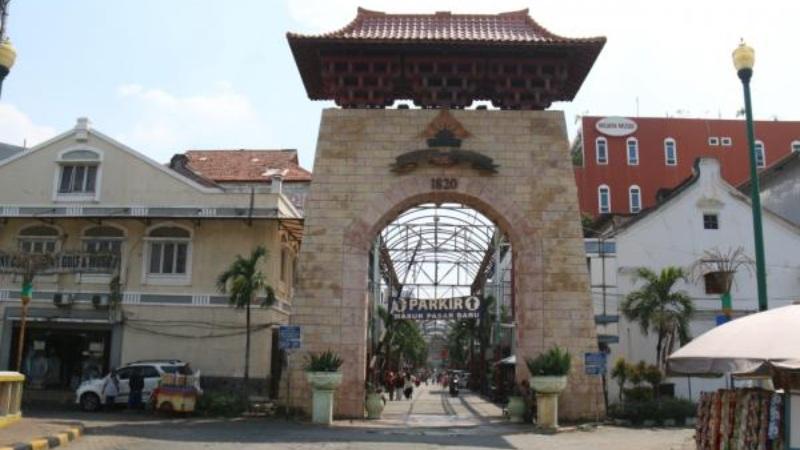
Pasar Baru, which dates back to 1820, is one of the oldest continuously operating street markets in Jakarta. Its architecture resembles a historical bazaar, with narrow walkways lined by family-owned shops. The market is diverse in product offerings, selling shoes, fabrics, sports goods, accessories, and photography equipment. But what makes Pasar Baru truly unique is its Indian-Indonesian cultural presence.
Many residents here are of Indian descent, creating a strong cultural blend seen in the food, music, and language around the area. Visitors can enjoy simple snacks or sit-down meals at eateries that have existed for decades. Walking through Pasar Baru is a journey into Jakarta’s multicultural past and present.
2. Glodok
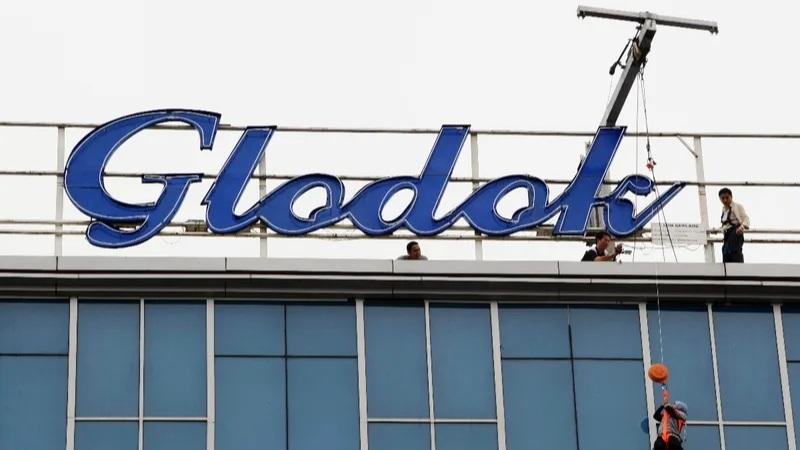
Glodok is Jakarta’s iconic Chinatown, and one of the most culturally rich street markets in Jakarta. This district is known for its large electronics market, where shoppers can find gadgets, accessories, and spare parts at reasonable prices. But Glodok is more than just shopping, it is a cultural hub.
The streets are lined with old temples, herbal medicine shops, and Chinese-Indonesian restaurants serving noodles, dim sum, soy-based desserts, and traditional herbal drinks.
Glodok’s atmosphere blends history with urban motion, making it perfect for exploring on foot. The experience is immersive, lively, and flavorful, a highlight for anyone wanting to understand Jakarta’s heritage.
3. Blok M
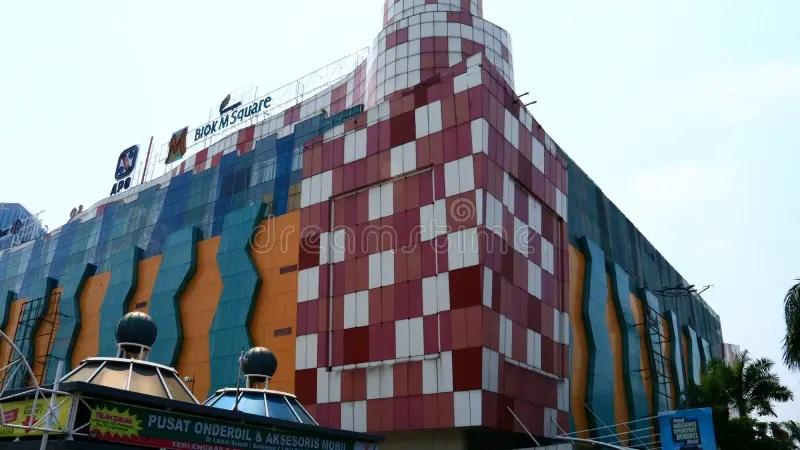
Blok M is a major shopping and social district that comes alive especially at night. During the day, the area offers affordable clothing, street fashion, and second-hand goods. But it is after sunset that Blok M truly reflects the soul of street markets in Jakarta with lively street food corridors, coffee stalls, and crowds relaxing, eating, and socializing.
The area is also connected to one of the city’s largest bus terminals, contributing to its dynamic and diverse environment. Whether you're looking for late-night snacks, a thrift shopping experience, or simply a place to observe local youth culture, Blok M offers a memorable Jakarta night atmosphere worth exploring.
4. Tanah Abang
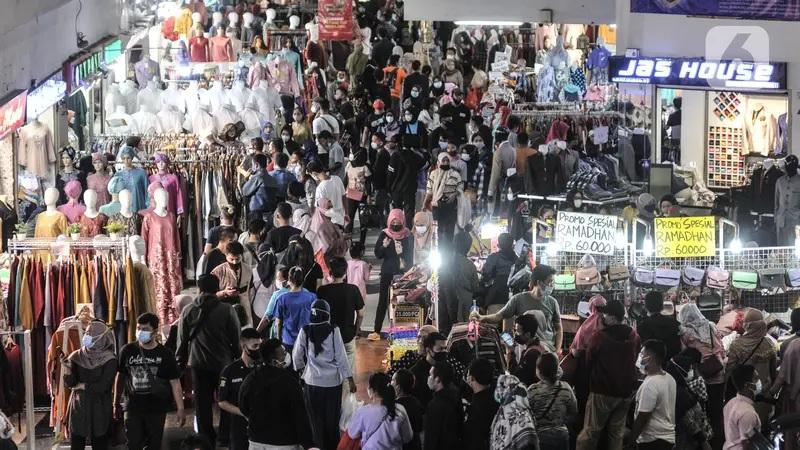
Tanah Abang is one of the oldest and largest street markets in Jakarta, dating back to 1735. It is the go-to market for fabrics, garments, and clothing in bulk, which makes it popular among business owners, travelers, and local shoppers. Pasar Tanah Abang is divided into multiple sections, each offering different products and stall formats.
Thousands of kiosks display textiles, scarves, Muslim wear, casual clothes, accessories, and more. Bargaining is a common and enjoyable part of the shopping experience. Visiting in the morning is recommended to avoid heavy crowds. Tanah Abang reflects Jakarta’s historical trading spirit and its role in regional commerce.
5. Jalan Surabaya
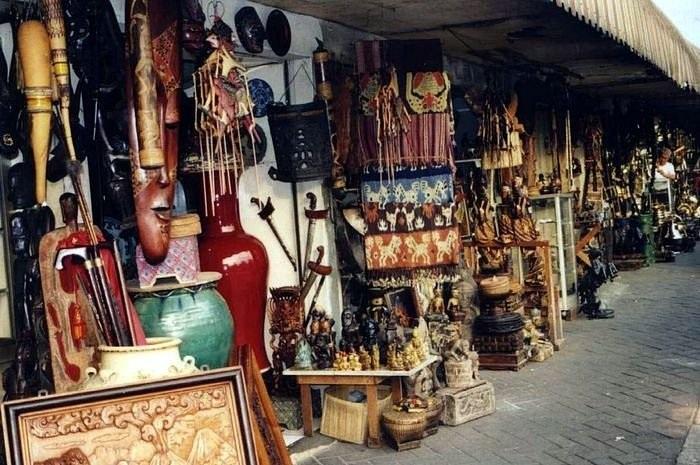
Jalan Surabaya is the most distinctive among street markets in Jakarta due to its specialization in antiques and collectibles. Here, visitors can browse vintage vinyl records, cameras, maritime tools, statues, typewriters, and rare decorative items.
Many shop owners are experienced collectors who are knowledgeable about the history and value of items. Browsing often feels like treasure hunting, patience and curiosity are key. Bargaining is expected, though caution is needed to avoid imitation items. The experience is slow-paced and nostalgic, making Jalan Surabaya ideal for those who enjoy cultural exploration and the charm of old objects.
6. Pasar Santa
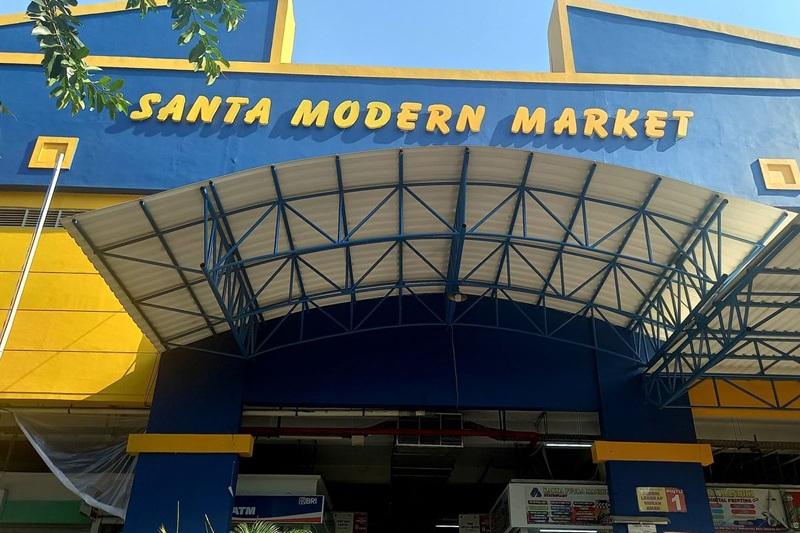
Pasar Santa became a cultural hotspot in South Jakarta when young entrepreneurs transformed it into a modern, creative hub. While originally a traditional market, it evolved into a community space for independent coffee shop owners, artists, and experimental food vendors. Although its peak trend has cooled, Pasar Santa remains a beloved space for coffee culture and youth gatherings.
Many stalls offer handcrafted drinks, pastries, and unique culinary concepts. Its vintage and casual atmosphere continues to draw visitors seeking a relaxed, artistic alternative to mainstream shopping districts. Pasar Santa stands out among street markets in Jakarta as a center of creativity and community spirit.
Also Read: 11 Romantic Things to Do in Jakarta for Couples
The street markets in Jakarta are rich with life, history, and cultural stories. Each market offers unique experiences from textile bargains and antique hunting to exploring multicultural food districts and youth-driven creative spaces.
After a day of bargaining, tasting local snacks, and discovering cultural treasures, you can return to a cozy, relaxing atmosphere, Ashley Hotel Jakarta offers comfortable rooms, warm service, and strategic access.
Check out our hotel here and enjoy the best of your stay in Jakarta with Ashley.